Blog
The natural world operates through a series of delicate, interconnected systems that sustain life. As our global society evolves, understanding the profound relationship between human activities and the environment has become absolutely essential. Navigating the complexities of ecology can initially seem daunting, with scientific jargon and global challenges often dominating the conversation. Yet, at its core, environmentalism is fundamentally about stewardship, balance, and implementing practical solutions.
This foundational resource is designed to clarify the essential concepts of ecological preservation and sustainable living. By breaking down the overarching themes into accessible, actionable insights, you will gain a comprehensive understanding of how our daily choices ripple across the globe. Whether you are taking your very first steps toward a greener lifestyle or looking to deepen your existing knowledge, grasping these fundamental principles empowers you to become an active participant in protecting our planet for future generations.
Understanding the Ecological Balance and Human Impact
To truly appreciate the importance of environmental conservation, one must first understand the concept of an ecosystem. An ecosystem functions much like a highly complex biological clockwork, where every single organism, from the microscopic fungi in the soil to the apex predators, plays a vital role in maintaining overall stability. When this delicate balance is disrupted, the consequences can cascade rapidly through the entire network. Over recent decades, human activities have significantly accelerated these environmental disruptions.
The concept of a carbon footprint serves as a crucial metric in this context. It represents the total volume of greenhouse gases produced directly and indirectly by an individual, organization, or product. By visualizing our environmental impact through this specific lens, we can begin to see exactly where our daily habits intersect with global ecological health. Industrial expansion, intensive agriculture, and a heavy reliance on fossil fuels have collectively placed unprecedented stress on the earth’s natural regenerative cycles.
However, acknowledging this impact is not a reason for ecological despair, but rather a powerful catalyst for informed action. Scientific observation shows that natural environments possess a remarkable capacity for recovery when given the proper opportunity. The primary goal of modern ecology is not to halt human progress entirely, but to seamlessly realign it with the natural boundaries of our planet, ensuring that we draw resources no faster than the Earth can naturally replenish them.
Core Pillars of Environmental Conservation
Environmental protection is a multifaceted endeavor that requires addressing several critical areas simultaneously. These foundational pillars guide both international climate policy and vital grassroots movements across the world.
Preserving Global Biodiversity
Biodiversity refers to the incredible variety of life on Earth, often described as the planet’s ultimate natural insurance policy. A rich, thriving diversity of species ensures robust ecosystem resilience, meaning that natural habitats can better withstand and recover from diseases, extreme weather events, and sudden environmental shifts. When wild habitats are cleared for urban development or agriculture, this natural resilience is severely compromised. Protecting biodiversity means safeguarding not just iconic endangered animals, but the complex food webs and microscopic life that maintain soil fertility and pollinate our essential crops.
Mitigating Climate Change
Climate change remains the most pressing environmental challenge of our time. It is driven primarily by the rapid accumulation of greenhouse gases, such as carbon dioxide and methane, which effectively trap heat within the atmosphere. This artificial warming effect disrupts traditional weather patterns, raises global sea levels, and alters agricultural viability. Effective mitigation strategies focus on aggressively reducing these atmospheric emissions. Transitioning toward renewable energy sources, significantly enhancing energy efficiency, and protecting natural carbon sinks—such as deep oceans, peatlands, and ancient forests—are absolutely essential steps in stabilizing our global climate.
Protecting Vital Natural Resources
Fresh water, arable land, and clean air are finite resources that form the very bedrock of human survival. Currently, regional water scarcity and widespread soil degradation aggressively threaten food security and public health worldwide. Sustainable resource management involves implementing strict practices that prevent the unnecessary depletion and toxic pollution of these critical assets. This crucial work includes everything from large-scale watershed protection initiatives to the widespread promotion of regenerative agriculture techniques that naturally restore soil health rather than stripping it of its essential nutrients.
Practical Steps for a Sustainable Lifestyle
Transforming massive global systems always begins with the cumulative power of individual, everyday actions. Transitioning seamlessly to an eco-friendly lifestyle does not require overnight perfection; rather, it is a progressive journey of making more conscious, highly informed choices in our daily routines.
Adopting Zero-Waste Habits
The traditional linear economy model—commonly understood as take, make, and dispose—is inherently unsustainable in the long run. Adopting a zero-waste mindset is a incredibly powerful way to drastically reduce your personal environmental impact. This practical philosophy is governed by a simple, effective hierarchy of daily actions:
- Refuse what you do not genuinely need, such as single-use plastics and unnecessary promotional items.
- Reduce your overall consumption by purchasing only what is essential and consciously choosing high-quality, durable goods.
- Reuse items by actively repairing them, buying second-hand, or finding creative new purposes for older household objects.
- Rot organic waste by composting food scraps, which naturally fertilizes the soil and diverts methane-producing matter from local landfills.
- Recycle only as a carefully considered last resort, ensuring you follow local municipal guidelines strictly to prevent the contamination of the recycling stream.
Optimizing Household Energy Consumption
The energy we regularly consume at home directly influences global carbon emissions. Simple, straightforward behavioral changes, such as unplugging idle electronics, maximizing natural sunlight, and optimizing thermostat settings, can yield immediate emission reductions. Furthermore, investing in adequate home insulation and successfully transitioning to energy-efficient appliances are highly effective strategies for permanently lowering your long-term energy demand while simultaneously reducing monthly utility costs.
Shifting Toward Eco-Friendly Diets
Modern food production inevitably accounts for a massive portion of global emissions and physical land use. Embracing a highly sustainable diet primarily involves prioritizing local and seasonal produce to dramatically minimize the carbon emissions associated with long-distance food transportation. Additionally, purposefully reducing the frequent consumption of resource-intensive animal products in favor of rich plant-based proteins can drastically lower your personal ecological footprint, while actively supporting agricultural practices that are significantly gentler on the earth.
The Circular Economy and Future Innovations
To successfully secure a viable, thriving future, global society is progressively shifting toward the revolutionary circular economy. Unlike traditional, wasteful manufacturing, this innovative economic framework meticulously designs waste out of the system entirely, beautifully mimicking nature where every single output becomes a vital input for another necessary process.
The successful transition to a comprehensive circular system typically involves several sequential, highly coordinated stages:
- Eco-design: Creating intelligent products with their entire lifecycle in mind, explicitly ensuring they are exceptionally easy to repair, upgrade, and cleanly disassemble.
- Sustainable sourcing: Exclusively utilizing renewable, non-toxic, or previously recycled materials right from the initial production phase.
- Extended use phase: Actively encouraging consumers to maintain, properly repair, and share products rather than casually discarding them prematurely.
- End-of-life recovery: Systematically collecting and breaking down components to be seamlessly reintegrated into the manufacturing of brand new goods.
Coupled with rapid, exciting advancements in modern green technologies—such as highly efficient solar panels, biodegradable plant-based materials, and intelligent smart grids—the circular economy offers a highly pragmatic blueprint for successfully decoupling global economic prosperity from harmful environmental degradation.
Building a Greener Future Together
Environmental stewardship is a continuous, deeply rewarding learning process and a shared collective responsibility. While the ecological challenges currently facing our natural world are undeniably substantial, the necessary solutions are entirely within our collective grasp. By consistently educating ourselves, constructively questioning our daily consumption habits, and actively advocating for sustainable practices within our local communities, we directly contribute to a powerful global wave of positive change. Keep exploring the fascinating intricacies of modern ecology, stay endlessly curious about new green innovations, and always remember that every small, sustainable choice you make is a meaningful vote for the resilient, thriving planet we all wish to inhabit.
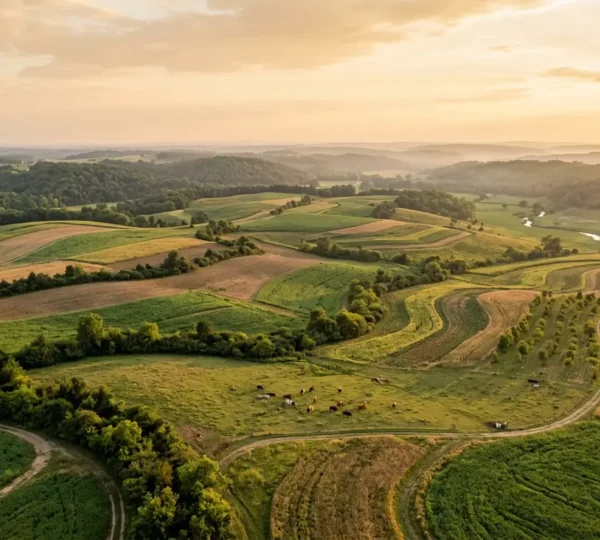
The Carbon-Negative Farm: A Blueprint for Closing the Loop by 2030
Becoming carbon-negative by 2030 is not about sacrifice; it’s about redesigning your farm into a profitable, closed-loop system. The biggest gains come from turning your largest emissions—synthetic fertilizer and fossil fuels—into internal assets through biological processes. « In-setting » carbon within your…
Lire la suite