Resources and balances
Modern agriculture is often reduced to a simple equation of inputs versus outputs. However, true efficiency lies in managing the complex interactions between soil chemistry, biology, and the physical resources available on the farm. Resources and balances are not just about what you buy in a bag; they are about unlocking the potential already present in your soil and closing the loop on nutrient cycles.
For farmers facing volatile fertilizer prices and stricter environmental regulations, the goal is to shift from a chemistry-only approach to a biological system that regenerates fertility. This guide explores how to balance mineral availability, maximize the power of root exudates, and turn farm by-products into valuable assets.
Unlocking Bio-Available Nutrients: Beyond Standard Soil Tests
One of the greatest frustrations in agronomy is a soil test that shows high levels of nutrients while the crop shows clear signs of deficiency. This disconnect is often due to a lack of bio-availability. Nutrients may be chemically present but physically locked away, inaccessible to plant roots.
The Challenge of pH and Locked Minerals
In many regions, particularly on UK chalk soils, high calcium levels can lock up phosphorus and trace elements, creating a « calciumprison. » Simply adding more fertilizer often fails to solve the problem. Instead, the focus must shift to biological mobilization. By fostering specific microbial activity, farmers can naturally lower the pH in the rhizosphere (root zone), releasing calcium, magnesium, and legacy phosphorus without the need for excessive lime or synthetic inputs.
Testing Protocols: Albrecht vs. Reams
To manage these balances, the method of measurement matters. While standard tests measure total reserves, methods like the Albrecht or Reams tests offer different perspectives on what is actually available to the plant. Understanding these differences is crucial for correcting macro-nutrient deficiencies without violating Nitrate Vulnerable Zone (NVZ) limits or wasting money on potash that your soil cannot hold.
The Living Engine: Root Exudates and Soil Biology
Plants are not passive consumers of nutrients; they are active participants in the soil ecosystem. Through photosynthesis, plants produce sugars and pump a significant portion—up to 30%—into the soil as root exudates. This « liquidcarbon » is a deliberate investment: the plant feeds soil microbes, and in exchange, these microbes solubilize minerals and protect the roots.
- Measuring Quality: Monitoring Brix levels in sap is a practical way to assess the quality of these exudates. Higher Brix indicates more efficient photosynthesis and better biological signaling.
- Grazing Management: For livestock farmers, the height at which grass is grazed directly impacts this cycle. Grazing too short can shock the root system, shutting down exudation and starving the soil biology.
- Temperature Sensitivity: It is vital to remember that soil biology acts differently across seasons. Below 6°C, many biological processes go dormant. This dormancy explains why nutrient mineralization stalls in cold springs, necessitating specific strategies like carbon-based starters to warm the seed zone.
The Carbon Cycle: Humus vs. Active Biomass
Carbon is the currency of soil health, but not all carbon performs the same function. A balanced soil management strategy must distinguish between building long-term humus and generating active biomass.
Humification for Long-Term Structure
Humus is the stable organic matter that improves water retention and cation exchange capacity. Building humus requires a specific fungal-bacterial balance and the right Carbon-to-Nitrogen (C:N) ratio. Practices like spreading compost or incorporating straw contribute differently to this process. A common mistake is over-aeration through intensive tillage, which burns off humus as CO2, depleting the soil’s long-term fertility bank.
Biomass for Quick Energy
Conversely, green manures and molasses provide active carbon—quick energy sources that jumpstart biological activity. This is essential for rapid nutrient cycling, especially after heavy root crop harvests that may have decimated fungal populations. Understanding when to apply Farmyard Manure (FYM) versus green waste compost allows you to target either biomass recovery or humus building.
Circular Management: Turning Farm Waste into Gold
In a truly efficient system, there is no such thing as waste. Crop residues, animal manures, and even by-products like wool are underutilized resources that can replace bagged nitrogen and imported fertilizers.
Optimizing Manure and Compost
The value of manure depends heavily on its treatment. Whether you are using straw, sand, or woodchip bedding affects the final nutrient profile. Furthermore, the composting process itself—whether using windrow turners or front loaders—dictates the quality of the output. Achieving standards like PAS 100 not only ensures the compost is safe and free of plastics but also adds tangible value to the product.
Regulatory Compliance and Best Practice
Managing these resources requires navigating a complex regulatory landscape, including waste exemptions and Environment Agency rules. Common errors, such as incorrect pile sizing or poor timing of applications, can lead to nutrient leaching into watercourses—a financial loss for the farm and an environmental hazard. By implementing circular management strategies, such as using anaerobic digestion digestate effectively or pelletizing waste wool, farmers can turn potential liabilities into revenue streams while maintaining compliance.
By mastering these balances—between chemical reserves and biological availability, between humus and biomass, and between waste and resource—farmers can build resilient systems that rely less on external inputs and more on internal efficiency.
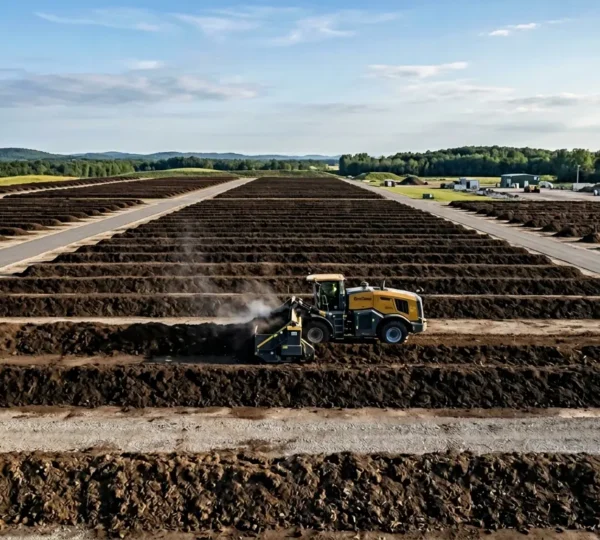
Composting Bio-Waste at Scale: Turning Municipal Green Waste into a Regulated Asset
Achieving profitability in large-scale composting hinges on treating it as an industrial manufacturing process, not large-scale gardening. Focus on rigorous feedstock decontamination to meet product specifications and avoid contaminating your final asset. Leverage specialized equipment like windrow turners and multi-stage…
Lire la suite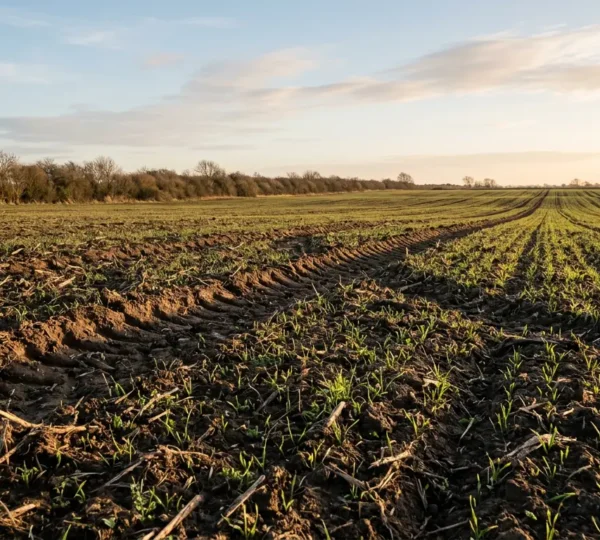
After the Harvest: A Farmer’s Emergency Plan for Rapid Soil Biomass Regeneration
Recovering from a root crop harvest isn’t about slow repair; it’s about rapid microbial resuscitation to prevent long-term soil death and yield decline. Effective recovery requires immediate intervention with specific carbon sources to feed different types of microbes and physical…
Lire la suite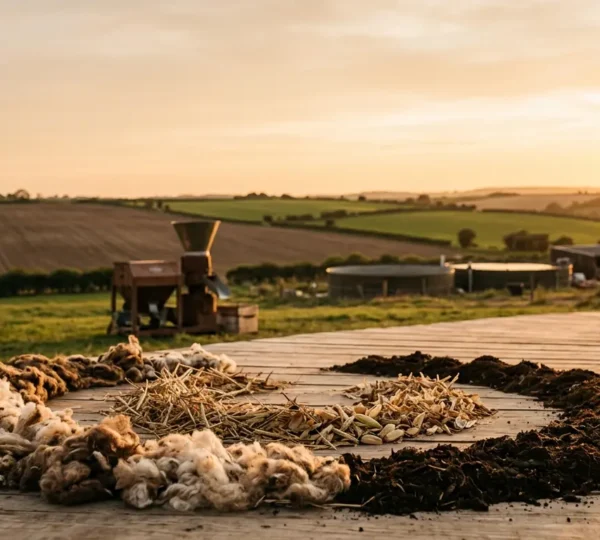
How to Turn Farm Waste into Profitable Revenue Streams: A Circular Management Guide
Your farm’s biggest cost could be its most valuable asset. By-products like ‘waste’ wool and manure can be engineered into high-value products like certified fertilisers and soil conditioners. Strategic decisions, like swapping machinery for processing tech, unlock capital to build…
Lire la suite
How to Correct Macro-Nutrient Deficiencies Without Over-Fertilizing in NVZs?
Operating within a Nitrate Vulnerable Zone is not about simply cutting back; it is about eliminating systemic waste and unlocking the full potential of your soil’s existing fertility. Nutrient deficiencies are often caused by « lock-up » (e.g., compaction limiting Potassium uptake,…
Lire la suite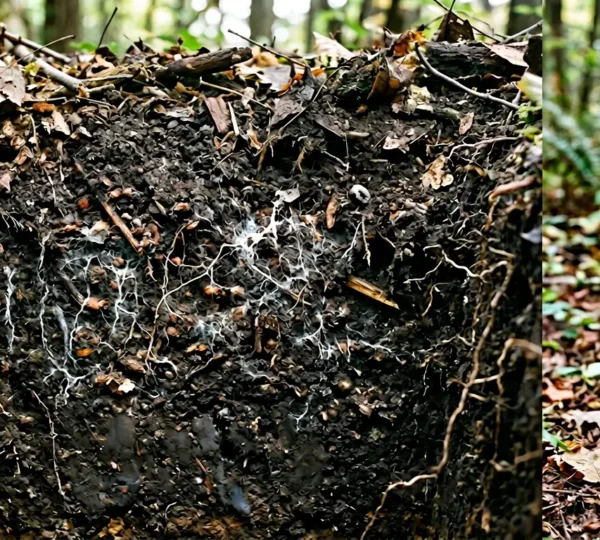
The Humification Cycle: A Farmer’s Guide to Building Long-Term Soil Fertility
Building lasting soil fertility is not about adding more organic matter, but about transforming it into a stable carbon asset. Prioritize lignin-rich « browns » (straw, wood) over sugary « greens » for true humus creation. Manage aeration carefully; excessive turning or tillage oxidizes…
Lire la suite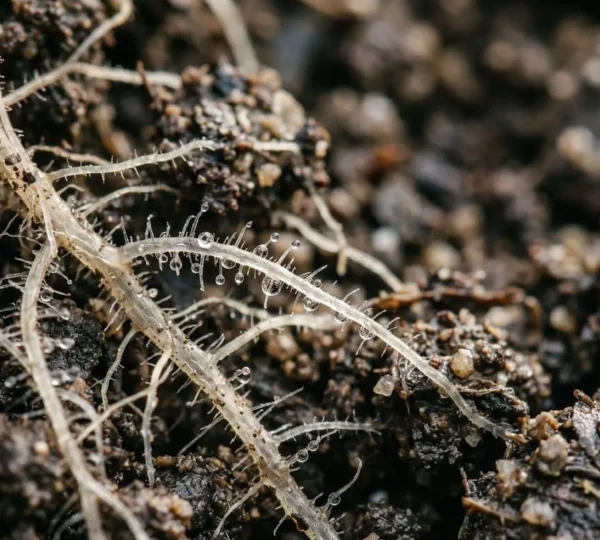
Fueling the Unseen Engine: How to Maximize Plant Exudates and Supercharge Your Soil Biology
The key to vibrant soil biology isn’t what you add, but what you empower your plants to give. Plants strategically trade a significant portion of their photosynthetic sugar to feed beneficial microbes in the soil. Your daily management practices—from grazing…
Lire la suite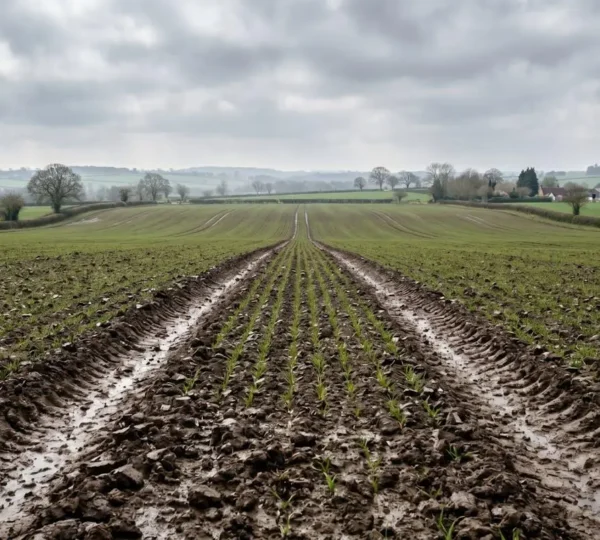
How to Accelerate Nutrient Mineralization in Cold UK Springs to Boost Early Growth?
The spring ‘hungry gap’ isn’t inevitable; it’s a timing problem that can be solved by actively managing your soil’s micro-climate instead of passively waiting for warmth. Cold soil (below 6°C) paralyzes the microbes that feed your crops, but targeted carbon-based…
Lire la suite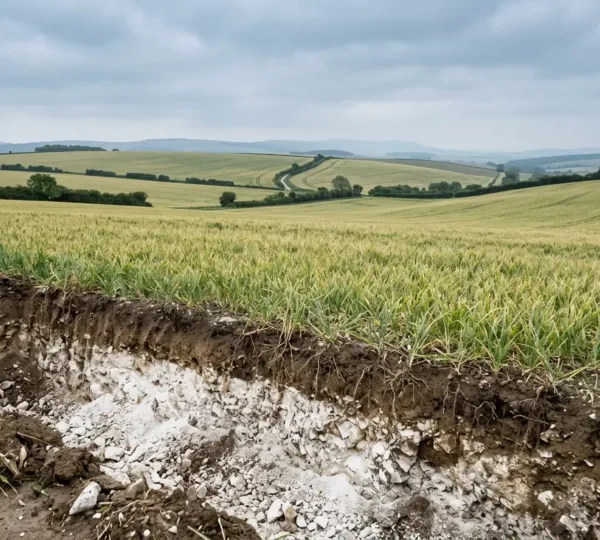
How to Access Bio-Available Nutrients Locked in UK Chalk Soils Without Adding Lime?
Your chalk soil is a nutrient bank, not a barrier; the key is catalysing specific biological reactions, not adding more chemical inputs. Focus on rhizosphere acidification via targeted cover crops and nurturing mycorrhizal fungi to ‘mine’ locked-up legacy phosphorus. Utilise…
Lire la suite