Observing and interpreting nature
True land stewardship begins not with intervention, but with observation. In an era driven by technology and data, the most powerful tool available to a farmer or land manager remains the human eye, trained to interpret the subtle languages of nature. Every weed, every change in leaf color, and every shift in insect population tells a story about the health and potential of your ecosystem.
Developing the skill to read these signals transforms agriculture from a battle against the elements into a partnership with natural processes. This guide serves as your comprehensive foundation for observing and interpreting nature, helping you move from reactive problem-solving to proactive ecosystem management.
Reading the Soil: Beyond the Lab Report
While chemical soil tests are valuable, they provide only a snapshot of nutrient levels. To truly understand your soil’s health, you must look beneath the surface. The physical structure of the soil dictates how water moves, how roots explore, and how biology functions.
The Art of the Soil Pit
Digging a hole is the first step to diagnosis. A simple spade test can reveal compaction layers that invisible chemical tests miss. When you observe your soil profile, pay attention to the structure of the earth. You are looking for a crumbly, aggregate-rich texture rather than dense, blocky clods. Blocky structures often indicate that air and water cannot penetrate, leading to issues like poor drainage and restricted root growth.
- Root behavior: Shallow roots in summer often indicate a hardpan at a specific depth preventing downward growth.
- Infiltration signs: Puddles that persist after rain are not just nuisances; they are indicators of poor porosity and capped surfaces.
- Moisture interpretation: Be wary of misinterpreting clay soils; they can feel hard when dry without necessarily being compacted.
Bio-Indicators: What Insects and Weeds Reveal
Biodiversity is not just a conservation goal; it is a functional metric of farm health. The plants and animals that spontaneously inhabit your land are bio-indicators, offering clues about environmental conditions that might otherwise go unnoticed.
Decoding Weeds and Wildflowers
Before rushing to eradicate weeds, observe what they are telling you. Nature hates a vacuum and will repair imbalances with specific plants. For instance, the presence of docks and thistles often points to specific soil imbalances or structural issues, such as anaerobic conditions or excessive nitrates. By addressing the root cause—the soil condition—you often manage the weed pressure more effectively than with herbicides alone.
Insects as Data Points
Insects, particularly Lepidoptera (butterflies and moths), are highly sensitive to environmental changes. Monitoring populations of species like the Meadow Brown can provide a reliable index of grassland health. To use this data effectively, it is essential to establish a routine:
- Create transects: Walk the same route at the same time of day to gather valid comparative data.
- Identify habitats: Recognize that scrub and short grass host different species; a diversity of habitats leads to a resilience of species.
- Manage gently: Avoid mistakes like over-flailing hedges, which can wipe out the eggs of species like the Brown Hairstreak.
Visual Diagnostics: Decoding Plant Stress Signals
Your crops communicate their needs long before a yield penalty becomes inevitable. The key to visual inspection is understanding the physiology of nutrient mobility. Why do some leaves turn yellow while others stay green?
Distinguishing between nutrient deficiencies and viral infections is a critical skill. For example, knowing that Magnesium is a mobile nutrient explains why deficiencies appear in old leaves first (the plant moves resources to new growth), whereas Iron immobility causes chlorosis in new leaves. Combining this visual logic with tools like a refractometer to measure Brix levels allows you to assess plant stress and sugar production in real-time, often weeks before problems are visible to the naked eye.
Phenology: Farming by Nature’s Calendar
Calendars are rigid human constructs; nature operates on biological time. Phenology is the study of cyclic and seasonal natural phenomena. Relying on fixed dates for sowing or harvesting can be disastrous in a changing climate. Instead, successful observation involves taking cues from the ecosystem itself.
For example, sowing based on soil temperature or the flowering of indicator plants like Blackthorn can protect crops from late frosts more reliably than calendar dates. Similarly, understanding the migration patterns of pests, such as the Cabbage Stem Flea Beetle, through phenological tracking allows for preventative measures that are timed to the actual risk, not a theoretical average.
Biomimicry: Managing Water Like Nature
Finally, interpreting nature involves looking at how the landscape manages its own resources. Modern drainage often focuses on evacuating water as quickly as possible via straight ditches and plastic pipes, leading to downstream flooding and drought susceptibility.
Biomimetic action invites us to copy nature’s engineering. Meandering channels slow the flow, reducing erosion and increasing aquifer recharge. Studying the impact of beavers—or mimicking their dams if they are not present—can regulate water levels dynamically. Furthermore, replacing over-engineered filtration systems with natural reed beds mimics the function of kidneys, cleaning farm runoff effectively and cheaply. By observing how wetlands function, we can design drainage systems that last longer and work in harmony with biological roots.
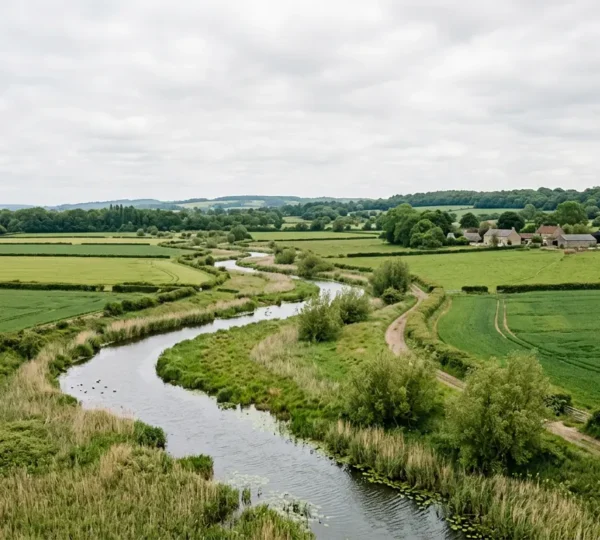
Biomimetic Action in Farming: How to Solve Drainage Problems by Copying Wetlands?
The solution to waterlogged land isn’t faster drainage; it’s smarter water management inspired by nature’s own engineering. Conventional straight ditches and plastic pipes often worsen erosion and require constant maintenance. Mimicking meandering rivers and beaver activity slows water, recharges groundwater,…
Lire la suite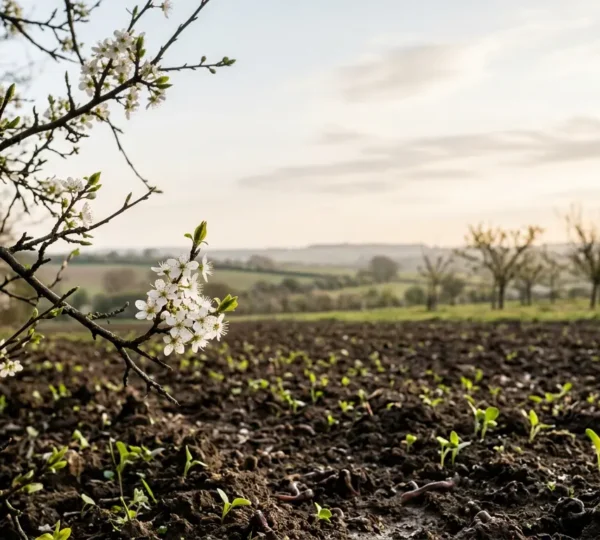
Using Phenology: How to Time Sowing Based on Nature’s Calendar, Not Dates?
Relying on fixed calendar dates for farming is a losing strategy in a changing climate; phenology offers a responsive, living alternative. Nature provides precise bio-indicators (plant flowering, insect emergence) that signal ideal conditions for sowing, pest avoidance, and harvesting. Underlying…
Lire la suite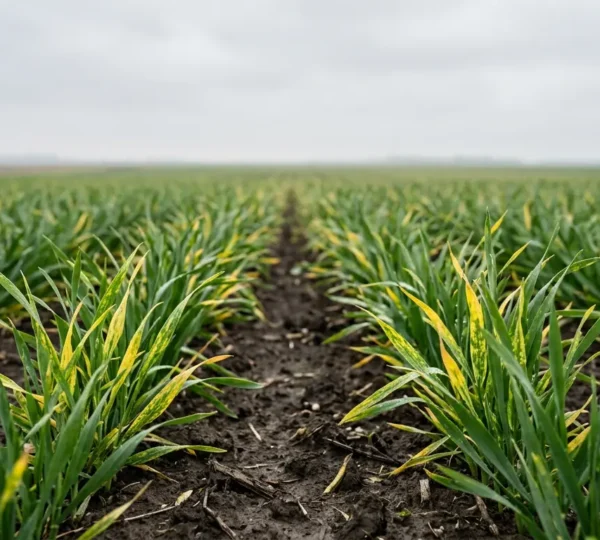
Why Leaves Turn Yellow: Decoding Chlorosis Patterns in Winter Wheat?
The key to solving leaf yellowing isn’t just identifying the problem, but accurately reading the plant’s specific ‘symptom signature’ to avoid costly misdiagnosis. Nutrient mobility determines whether chlorosis appears on older leaves (mobile nutrients like magnesium) or new growth (immobile…
Lire la suite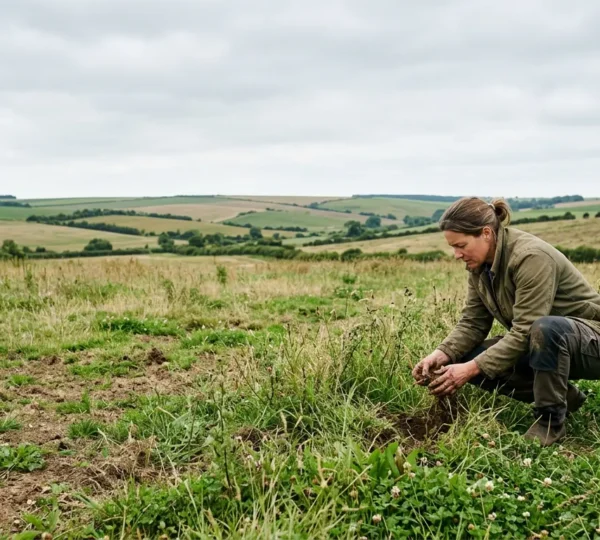
How to Diagnose Soil Health by Observing Bio-Indicators—No Lab Tests Needed
In summary: Indicator weeds like docks and thistles reveal specific soil issues such as compaction through their root behavior, not just their presence. Observing how long water puddles remain after rain provides a direct, no-cost measure of your soil’s infiltration…
Lire la suite
How to Monitor Native Lepidoptera Populations to Validate Biodiversity Gains on Your Farm
Verifiable biodiversity data is no longer a ‘nice-to-have’; it’s a quantifiable financial asset for the modern farm. Systematic butterfly and moth monitoring provides the hard evidence of ethical stewardship required by new environmental schemes. Targeted habitat management for specific indicator…
Lire la suite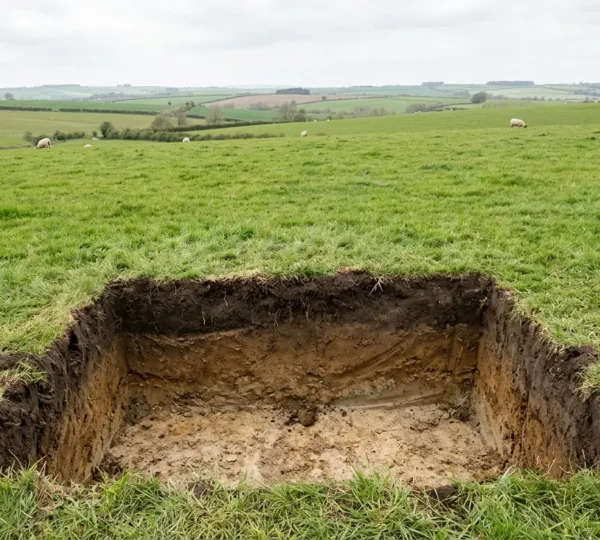
How to Conduct a Soil Horizon Analysis to Identify Compaction Layers in Pasture?
Soil compaction isn’t just about hard ground; it’s a silent thief robbing your pasture of up to 40% of its yield. The key isn’t a high-tech penetrometer, but learning to read the visual clues your soil is already giving you….
Lire la suite