Acting with nature
For generations, modern agriculture has often operated under the assumption that the environment is a force to be controlled, subdued, or bypassed. However, a profound paradigm shift is currently transforming how we approach food production and land management. Acting with nature is not merely a philosophical ideal; it is a highly practical, scientifically backed methodology that leverages the billions of years of research and development already conducted by the natural world.
By applying principles of biomimicry, regenerative agriculture, and permaculture, growers can design systems that are naturally resilient to pests, buffered against extreme weather, and capable of building their own fertility. Whether you are managing a large-scale arable farm, introducing livestock to silvopasture, or designing a highly productive forest garden, understanding how to align your practices with ecological cycles is the key to reducing expensive inputs and fostering long-term profitability.
Designing Resilient Ecosystems Through Biomimicry
Nature rarely plants in straight lines, and it absolutely abhors a monoculture. When we observe thriving wild landscapes, we see complex webs of diversity where plants, fungi, and animals support one another. Translating these observations into agricultural practice allows us to build inherent resilience into our growing spaces.
Breaking the Monoculture Paradigm
Monocultures act as an all-you-can-eat buffet for pests. Without physical barriers or chemical confusion from companion plants, a pest can decimate a crop in days. Nature solves this problem through polyculture associations. By intercropping and mixing plant families, we mimic the resilience of a forest edge. This strategy naturally disrupts pest lifecycles, as insects struggle to locate their host plants amidst a confusing array of visual and olfactory signals.
The Seven Layers of a Forest Garden
To truly replicate the efficiency of a woodland ecosystem, modern forest gardens utilize all available vertical and horizontal space. A self-sustaining guild requires careful design across these seven distinct layers:
- Canopy Layer: Large fruit or nut trees that provide the overarching structure.
- Understory Layer: Dwarf fruit trees that thrive in dappled shade.
- Shrub Layer: Berry bushes and woody perennials.
- Herbaceous Layer: Non-woody plants used for culinary, medicinal, or ecological purposes.
- Ground Cover Layer: Creeping plants that protect the soil from erosion and retain moisture.
- Rhizosphere Layer: Root crops and fungi operating beneath the soil surface.
- Vertical Layer: Climbers and vines utilizing the trunks and branches of larger trees.
When designing these guilds, pairing nitrogen fixers with heavy-fruiting trees is a fundamental strategy for generating natural fertility, eliminating the need for synthetic top-dressings.
Integrated Pest Management: Letting Biology Do the Work
Shifting away from a reliance on broad-spectrum chemistry requires a proactive rather than reactive approach to pest control. Integrated Pest Management (IPM) allows growers to meet rigorous agricultural standards by encouraging natural predator-prey dynamics.
The ‘Clean Field’ Mistake
A perfectly manicured field with absolutely no weeds or hedgerows is an ecological desert. This ‘clean field’ aesthetic removes the vital overwintering habitats and nectar sources required by beneficial predators like ladybirds, lacewings, and parasitic wasps. By deliberately maintaining field margins and diverse hedgerows, you provide a standing army of predators ready to tackle aphid outbreaks before they reach economic damage thresholds.
Trap Crops and Threshold Monitoring
Instead of spraying at the first sight of a pest, ecological farmers use threshold monitoring. Utilizing pheromone traps provides accurate forecasting, ensuring that any intervention is precisely timed and absolutely necessary. Furthermore, nature often uses sacrificial plants to protect more valuable species. By planting highly attractive trap crops on the perimeter of your main cash crop, you can lure pests away and manage them locally, breaking their lifecycle without applying chemistry to your primary harvest.
Climate-Smart Water Management
With extreme weather events becoming increasingly common, managing water effectively is crucial. The goal is no longer to drain water away as quickly as possible, but to slow it down, spread it out, and sink it into the soil profile.
Slowing the Flow Across the Landscape
Traditional field drains often accelerate downstream flooding and lead to severe nutrient leaching. Instead, we can mimic natural features like beaver dams to slow water flow in ditches. On sloping ground, keyline ploughing acts to gently move water from wet, humid valleys out towards drier ridges, ensuring a more uniform distribution of moisture. For steeper terrain, constructing swales on contour captures runoff during heavy rainfall, allowing it to slowly percolate into the water table.
Precision Application and Hydration
When irrigation is necessary, efficiency is paramount. Transitioning from boom or rain gun systems to retrofitted drip irrigation can drastically reduce water usage while preventing foliar diseases like blight or scab. Furthermore, utilizing capacitance probes rather than traditional rain gauges gives a highly accurate, real-time picture of soil moisture at various root depths, allowing for variable rate irrigation that maps precisely to different soil types.
Regenerative Grazing and Silvopasture Integration
Livestock, when managed incorrectly, can degrade land rapidly. However, when managed as a tool for ecological restoration, their hooves, manure, and grazing habits are unparalleled in their ability to build topsoil and sequester carbon.
Maximizing Impact with Rotational Grazing
The secret to building resilient pastures lies not in the grazing itself, but in the recovery. Rest periods are more important than grazing periods for deep root development. By implementing daily moves through carefully calculated paddock sizes—a practice often referred to as mob grazing—farmers ensure that pastures are grazed evenly, trampled to incorporate organic matter and seeds into the soil, and then left to fully recover. This prevents the severe re-grazing mistake that depletes plant energy reserves and drastically spikes worm burdens in sheep and cattle.
The Synergy of Silvopasture
Integrating trees into livestock systems offers immense benefits. Shelter belts significantly reduce lamb mortality rates during harsh spring weather by providing critical microclimates. When selecting species for alley cropping or clump planting, opting for dual-purpose trees that provide both fodder and fruit adds another layer of enterprise to the farm. To succeed, it is vital to guard young trees cost-effectively and address mineral deficiencies in the flock to prevent bark stripping.
Building Soil Health and Reducing Synthetic Inputs
As the cost of synthetic fertilizers and chemicals fluctuates, replacing imported inputs with farm-grown fertility is a major step toward economic and ecological resilience. Adding more fertilizer is no longer yielding proportional increases; the focus must shift to nutrient uptake efficiency and soil biology.
The Power of Green Manures
For heavy, challenging soils, overwintering green manures are essential. Robust mixes containing rye and vetch serve as the heavy land workhorses, surviving wet winters while fixing nitrogen and suppressing weeds. The timing of their destruction and incorporation is critical: paying close attention to the C:N (Carbon to Nitrogen) ratio ensures maximum nitrogen release for the following spring crop. Careful management also prevents the ‘green bridge’ mistake, where pests like aphids are accidentally carried over from the cover crop to the cash crop.
Strategic Input Reduction
Reducing variable costs without sacrificing yield requires precision. For instance, transitioning from granular nitrogen to foliar nitrogen applications can offer significantly better uptake efficiency, as nutrients are absorbed directly through the leaf stomata. Additionally, recognizing that cheap seed often costs more in the long run due to increased disease control requirements is a fundamental principle of ecological farm economics.
Permaculture Zoning: Optimizing Human Energy
Acting with nature also means respecting human limits. Permaculture zoning is a design framework that organizes the farm or homestead based on frequency of use and maintenance requirements, saving countless hours of wasted labor.
- Zone 1: Located immediately outside the kitchen door. This area is reserved for high-maintenance crops, daily harvest herbs, and delicate seedlings that require constant observation.
- Zone 2: Staple crops and small livestock that need daily, but less intensive, management.
- Zone 3: Maincrop agriculture, field-scale vegetables, and rotational grazing paddocks.
- Zone 4: Semi-wild areas managed for foraging, timber extraction, or seasonal grazing.
- Zone 5: The wild zone. This is the ‘do nothing’ area, left entirely to nature to act as a sanctuary for biodiversity, beneficial predators, and native flora.
By mapping your daily routes and strategically placing centralized tool stations, you eliminate wasted steps. A classic design failure is placing the compost bin uphill or far from the garden; ecological design dictates that every element should be placed in harmonious relationship with the others to ensure maximum efficiency.
Ultimately, acting with nature is an ongoing process of observation, adaptation, and refinement. By moving away from single-mode-of-action solutions and instead embracing the complexity of natural systems, we can cultivate landscapes that are economically viable, ecologically sound, and deeply rewarding to manage. The articles in this category will guide you step-by-step through implementing these transformative practices on your own land.
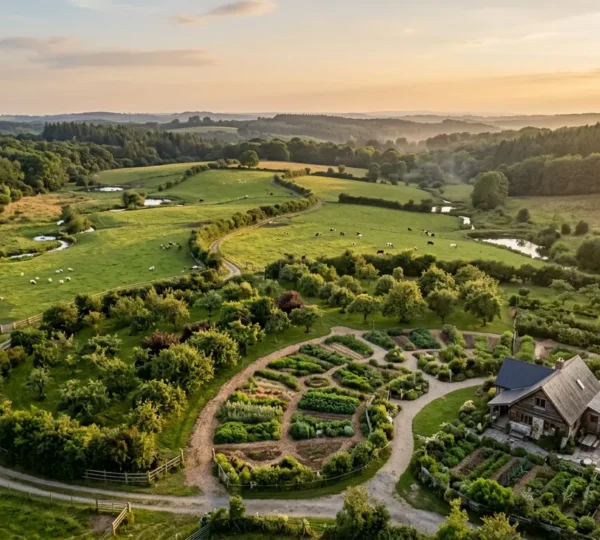
How to Apply Permaculture Zoning and Save 10 Hours of Farm Labor Every Week
Permaculture zoning isn’t about gardening; it’s a lean operating system for your farm designed to save you 10+ hours of labor per week. It redefines farm layout based on frequency of use and human movement, not just crop type. It…
Lire la suite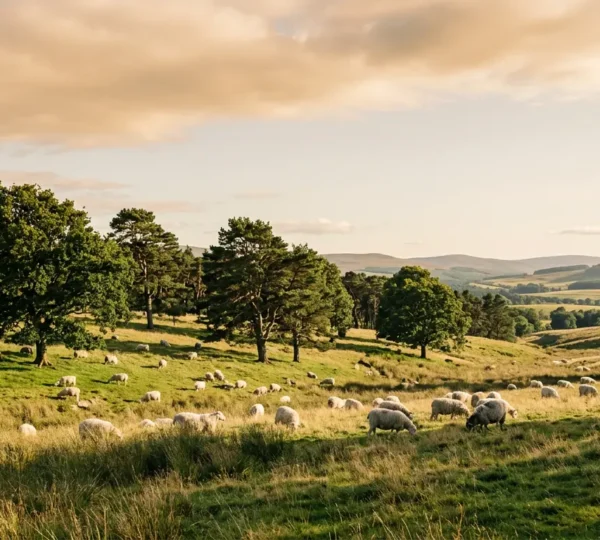
Silvopasture for Sheep: A Practical Guide to Profitable Tree Integration
Integrating trees is not about sentiment; it’s about engineering a more profitable and resilient sheep farm. Purpose-built shelter belts can drastically reduce lamb mortality from exposure, directly boosting your bottom line. The right trees provide targeted nutritional and medicinal benefits…
Lire la suite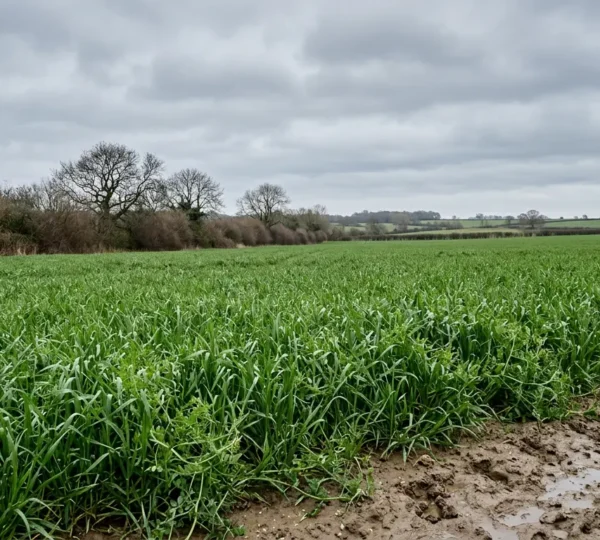
Green Manures for Heavy Clay: Which Mixes Truly Survive Wet UK Winters?
For farmers on heavy clay, the familiar sight of a winter cover crop rotting into a slimy mess is a costly frustration. The solution isn’t a single magic plant, but understanding a critical trade-off: the toughest, most resilient green manures…
Lire la suite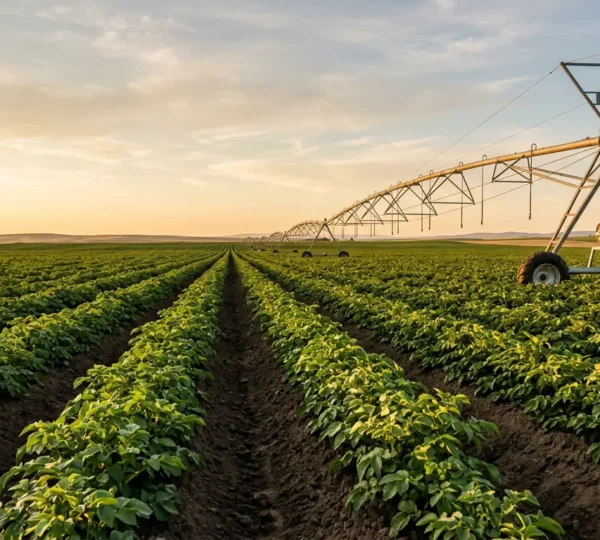
Precision Irrigation: How to Reduce Water Usage by 30% in Potato Crops?
In summary: Achieving a 30% water reduction requires shifting from assumption-based watering to data-validated, precision application. Capacitance probes provide real-time, root-zone data that is fundamentally more accurate than surface-level rain gauge measurements. Upgrading from traveling guns to boom irrigators can…
Lire la suite
Strategies for Input Reduction: Can You Cut Variable Costs by 15% Without Losing Yield?
Reducing input costs isn’t about arbitrary cuts; it’s about surgically removing waste to boost your net margin per hectare. Most arable farms have a 15-20% « inefficiency gap » in fertiliser and spray use that can be closed with zero yield loss….
Lire la suite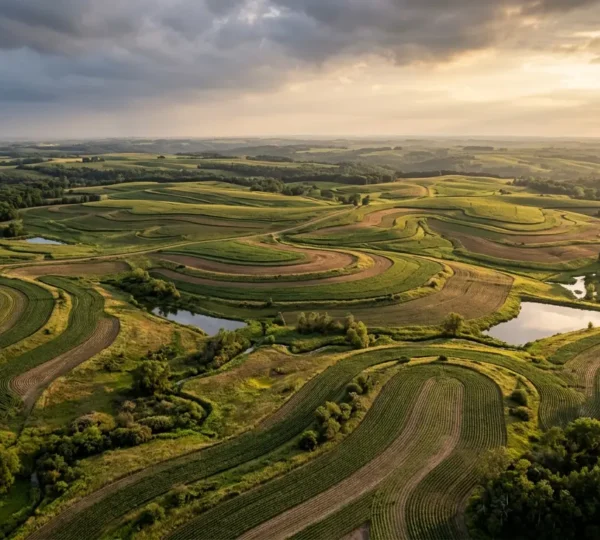
From Farmland to Flood Defence: An Engineer’s Guide to Landscape Hydration
The key to surviving extreme rainfall is not to evacuate water faster, but to engineer a system that slows, spreads, and stores it across the entire landscape. On-contour earthworks like Keyline ploughing and swales transform slopes from water-shedding surfaces into…
Lire la suite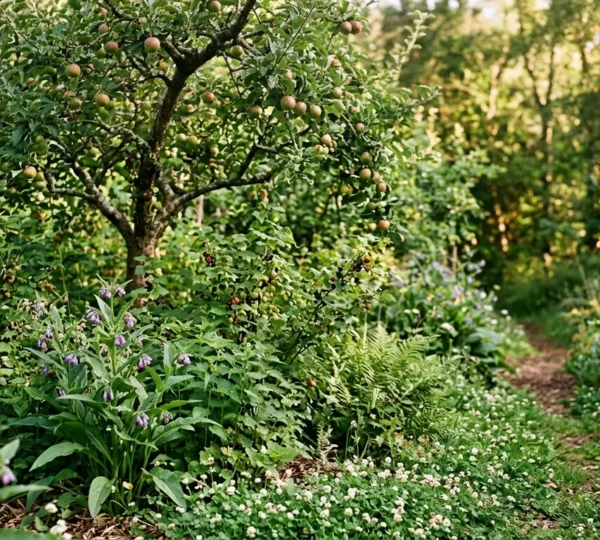
How to Design Polyculture Guild Associations for Productive UK Forest Gardens?
Designing productive polycultures is less about what you plant, and more about how you choreograph the dynamic relationships between them in time and space. True resilience comes from managing dynamic functions (like fertility and succession), not just filling static layers…
Lire la suite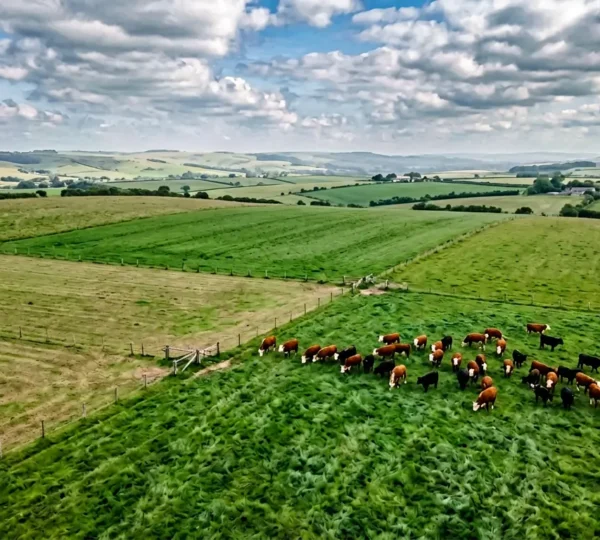
How to Maximize Rotational Grazing Impact to Double Pasture Yields?
High-density rotational grazing isn’t about crowding animals; it’s a precision tool for building soil and doubling your forage production by mastering the grass growth curve. Rest periods are the primary driver for building deep, resilient root systems and the biological…
Lire la suite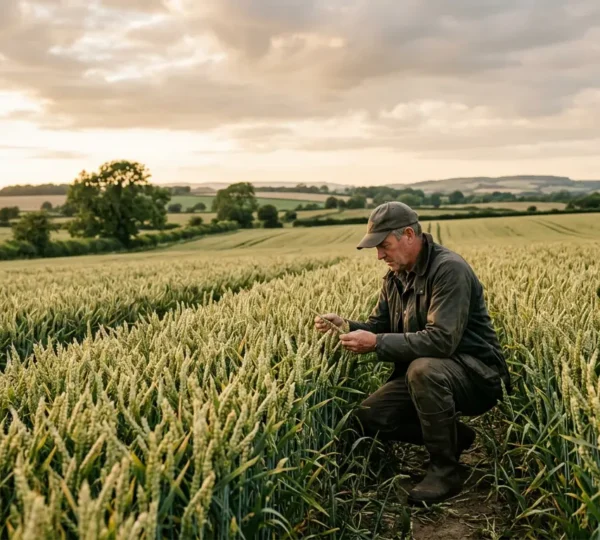
How to Implement Integrated Pest Management to Meet UK Red Tractor Standards?
Implementing Integrated Pest Management (IPM) for Red Tractor is not a compliance cost, but a systematic process for reducing variable costs and de-risking production. Adopting formal pest thresholds eliminates unnecessary « insurance » sprays and provides a clear audit trail for your…
Lire la suite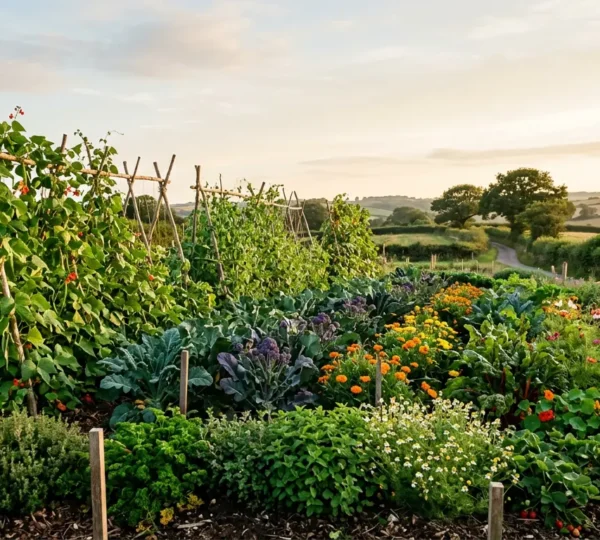
How to Apply Biomimicry Principles to Design Pest-Resistant UK Market Gardens?
True pest resilience isn’t found in companion planting charts; it’s engineered by mimicking nature’s design principles to create a farm ecosystem where pests simply cannot gain a foothold. Monocultures act as a perfect buffet for pests; polycultures create sensory and…
Lire la suite