Recovering from a root crop harvest isn’t about slow repair; it’s about rapid microbial resuscitation to prevent long-term soil death and yield decline.
- Effective recovery requires immediate intervention with specific carbon sources to feed different types of microbes and physical amendments to reverse structural trauma.
- Moving beyond generic advice like « add compost » to a targeted, Fungal-to-Bacterial ratio-focused approach is critical for rebuilding the soil’s living architecture.
Recommendation: Begin with a low-risk 10% field trial to implement these advanced strategies, gather your own data, and de-risk the transition to a fully regenerative model.
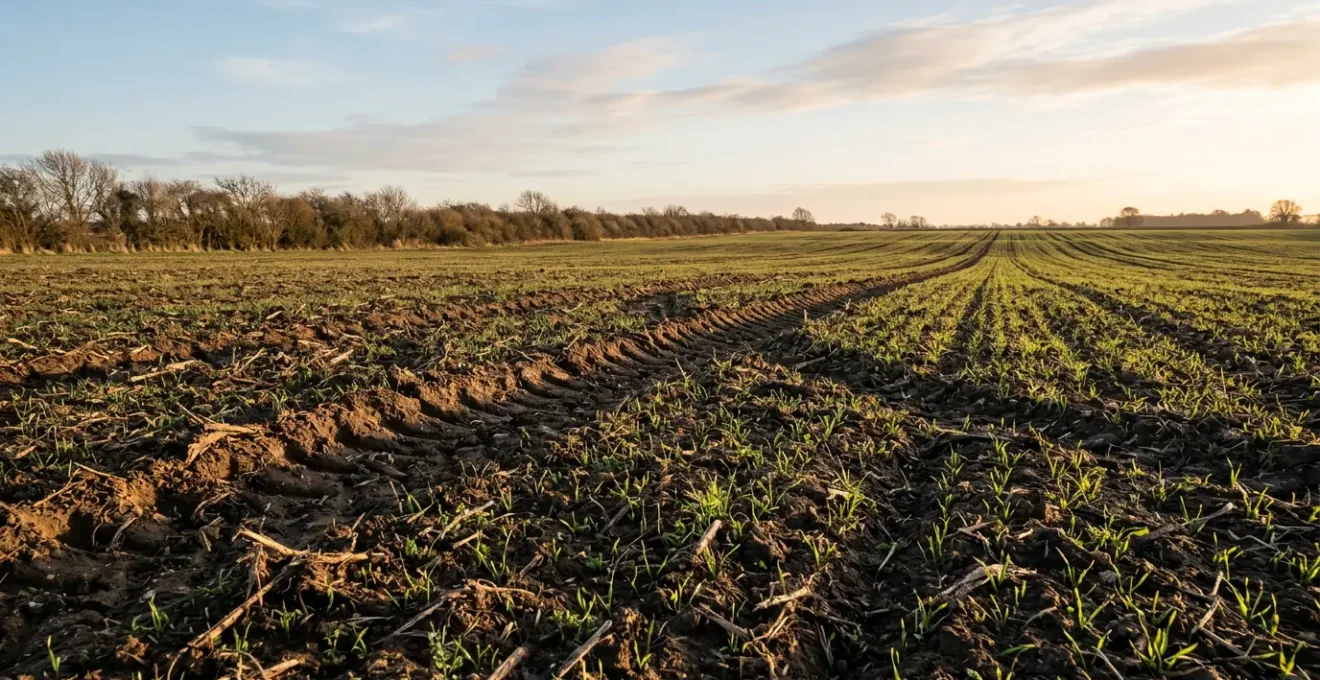
The field after a potato or sugar beet harvest is a scene of profound disruption. The ground is compacted, bare, and appears lifeless. For any farmer, this sight brings a deep-seated anxiety: how much damage has been done to the soil’s very foundation? The conventional response often involves a vague prescription to « add some compost » or « get a cover crop in. » While not incorrect, this advice is dangerously incomplete. It’s like telling an emergency room doctor to simply « give the patient some medicine » without specifying the diagnosis or the drug.
The truth is, your soil is not just damaged; it’s a living ecosystem in a state of trauma. The intensive mechanical processes of a heavy root crop harvest have inflicted a triple blow: physical compaction that suffocates life, the removal of massive amounts of biomass, and the catastrophic destruction of the delicate fungal networks that form the soil’s circulatory and nervous systems. To treat this condition, we need to move beyond slow, gentle repairs and adopt an urgent, restorative mindset. This is not about long-term soil improvement; it’s about immediate post-trauma care.
But what if the key to rapid recovery wasn’t just adding organic matter, but understanding which *types* of microbial life to feed, and in what order? What if we could perform a kind of « carbon triage » to jumpstart the right biological engines? This guide provides that emergency response plan. It abandons platitudes for a precise, science-backed protocol to resuscitate your soil’s biology, repair its structure, and build a bridge to long-term profitability without risking the farm in the process.
This article details the critical steps for soil resuscitation, from understanding the initial damage to implementing a financially viable transition plan. Explore the sections below to build your farm’s own soil recovery protocol.
Summary: After the Harvest: A Farmer’s Emergency Plan for Rapid Soil Biomass Regeneration
- Why Intensive Harvesting Decimates Soil Fungal Populations?
- How to Use Molasses and Carbon Sources to Jumpstart Biomass?
- FYM vs Green Waste Compost: Which Builds Biomass Faster?
- The Cultivation Mistake That Seals the Surface and Suffocates Life
- Temporary Leys: How Long Does Soil Need to Recover Biomass Levels?
- How to Brewing Compost Tea to Wake Up Dormant Soil Biology?
- Using Gypsum: How to Flocculate Clay Particles to Improve Drainage?
- How to Transition to a Living Pedosphere Model Without Risking Bankruptcy in Year One?
Why Intensive Harvesting Decimates Soil Fungal Populations?
The most immediate and devastating impact of a root crop harvest is the physical annihilation of the soil’s fungal network. Unlike bacteria, which are single-celled organisms, beneficial fungi like arbuscular mycorrhizae form vast, intricate networks of hyphae. These networks act as a biological superhighway, transporting water and nutrients to plants in exchange for carbon. Tillage, heavy machinery, and the act of pulling tonnes of root crops from the ground act like a seismic event, shattering these delicate hyphal threads and effectively amputating the plant-soil connection. This isn’t just minor damage; it’s the destruction of a critical ecosystem infrastructure.
The scale of this loss is staggering. This living web is so vast that research shows that nearly 13 billion metric tons of CO2 are transferred to mycorrhizal fungi from plants annually. When this network is destroyed, the soil loses its primary mechanism for building stable aggregates, sequestering carbon, and accessing nutrients. The result is a system that becomes bacterially dominant, prone to compaction, and heavily reliant on synthetic inputs. Without a robust fungal population, the soil’s immune system is compromised, and its ability to self-regulate is lost. The first step in recovery is acknowledging that you are not just repairing soil, you are rebuilding a shattered biological architecture from the ground up.
How to Use Molasses and Carbon Sources to Jumpstart Biomass?
After the harvest trauma, the surviving soil microbes are starved and struggling. The immediate goal is resuscitation, which requires a « carbon triage » approach: providing the right food, for the right microbes, at the right time. Your first line of defense is a fast-acting, simple sugar like blackstrap molasses. Applying molasses at a low concentration (e.g., 1-2 tablespoons per gallon of water) provides a rapid energy source primarily for bacteria. This kickstarts the decomposition cycle and begins to reactivate dormant biology.
However, relying solely on simple sugars is a mistake. This would favor a bacterially-dominant system, which is what we are trying to fix. The next crucial step is to provide a food source for the fungi you need to regrow. This requires complex, high-carbon, woody materials. Think mature, fungally-rich compost, wood chips, or straw. These materials have a high carbon-to-nitrogen ratio and provide the slow-release sustenance that fungi need to re-establish their hyphal networks. By pairing a quick bacterial stimulant (molasses) with a long-term fungal food source (complex compost), you are orchestrating a balanced microbial recovery instead of just a chaotic bacterial bloom.
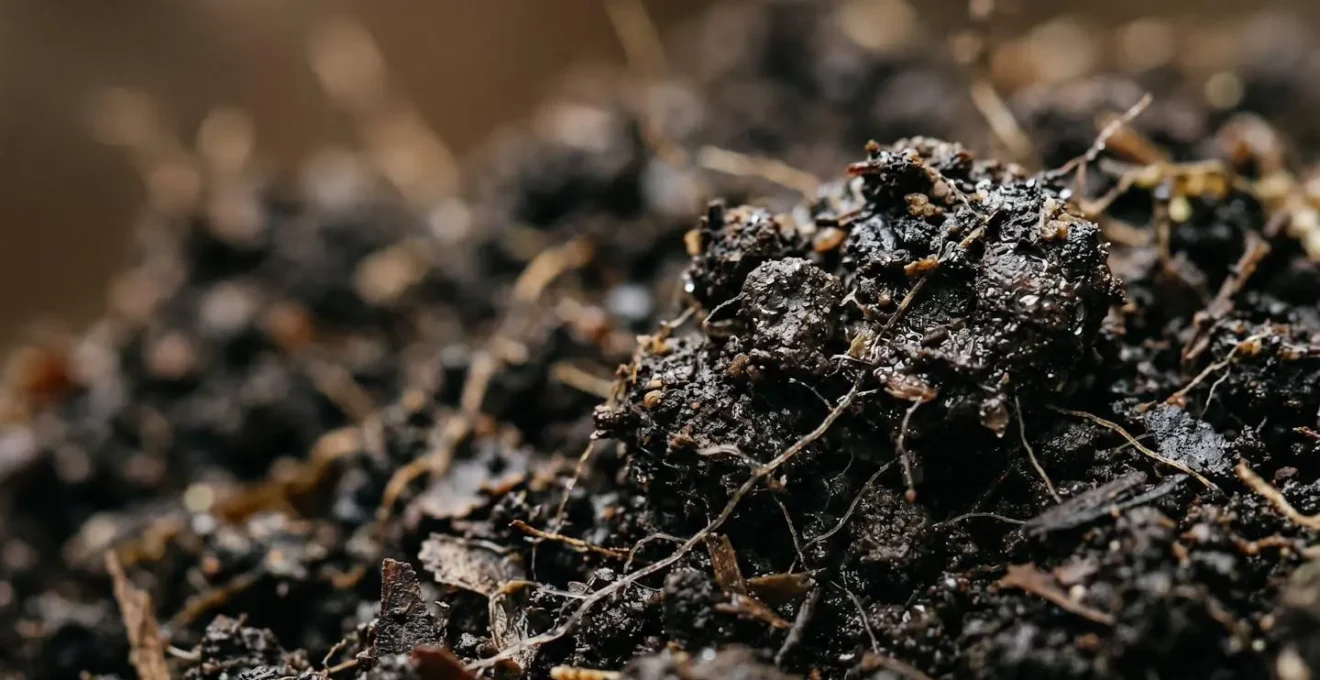
This dual approach ensures that both the « sprinters » (bacteria) and the « marathon runners » (fungi) of the soil food web are supported. One critical consideration is nitrogen. A large microbial bloom can temporarily tie up available soil nitrogen, a process known as immobilization. Monitor your crop for signs of yellowing and be prepared to apply a supplemental, biologically-friendly nitrogen source if needed to support both the microbes and the new cover crop.
FYM vs Green Waste Compost: Which Builds Biomass Faster?
Not all compost is created equal, especially when the goal is to rebuild shattered fungal networks. The common practice of applying fresh farmyard manure (FYM) post-harvest can be counterproductive in this specific scenario. While rich in nutrients, FYM is often « hot, » high in soluble nitrogen, and dominated by bacteria. Applying it to a bacterially-dominant, post-tillage soil only reinforces the imbalance you need to correct. It feeds the bacteria but does little to restore the crucial fungal architecture.
For rapid regeneration of soil structure and biomass, the superior choice is a mature, woody, green-waste compost. This type of compost, made from materials like wood chips, bark, and yard trimmings, has a higher carbon-to-nitrogen ratio and has been allowed to mature long enough to cultivate a thriving fungal population. When you apply this compost, you are not just adding organic matter; you are inoculating the soil with the very organisms that were just destroyed. These fungi are the master architects of soil structure, binding soil particles into water-stable aggregates with a protein called glomalin.
The goal is to shift the Fungal-to-Bacterial (F:B) ratio back in favor of fungi. In fact, studies document increased plant biomass production efficiency in soils with higher fungal populations. Therefore, choosing a fungally-dominant compost is a strategic decision. It directly addresses the primary biological damage from the harvest, helping to create the porous, well-aerated, and resilient soil structure that defines a healthy pedosphere. It’s the difference between simply adding fertilizer and performing a targeted transplant of a vital organ.
The Cultivation Mistake That Seals the Surface and Suffocates Life
When the soils are weakly aggregated, the impact of drops causes the fine particles to fill in the pores between the large particles.
– Dr. Sjoerd Duiker, Penn State Extension – Soil Crusting Research
Beyond the biological devastation, intensive harvesting inflicts a severe physical wound: soil crusting. This happens when the soil’s aggregate structure is destroyed by heavy machinery and left exposed to the elements. Raindrops, instead of gently soaking in, hit the bare soil with explosive force, shattering the remaining weak aggregates. The fine particles of silt and clay are dislodged and wash into the soil pores, creating a dense, impermeable layer at the surface, much like a layer of cement. This crust effectively seals the soil surface, preventing water infiltration and, crucially, air exchange. Life under this seal suffocates.
This lack of oxygen is catastrophic for the aerobic microbes essential for nutrient cycling and soil health. It creates anaerobic conditions that favor pathogenic organisms and can lead to the loss of valuable nitrogen through denitrification. Furthermore, a crusted surface presents a formidable physical barrier to the emerging seedlings of your next cover crop, strangling your recovery efforts before they can even begin. Leaving soil bare and exposed after a root crop harvest isn’t just a fallow period; it’s an open invitation for structural collapse and biological suffocation.
Case Study: The Impact of Tillage on Surface Sealing
The urgency of preventing this sealing effect is highlighted by field research. A comparative study in Georgia’s Southern Piedmont, as detailed in an analysis of soil crusts, found that conventional tillage practices created severe structural crusts. These crusts reduced the soil’s hydraulic conductivity by up to 1,000 times compared to the soil beneath, effectively waterproofing the surface. In stark contrast, adjacent no-till fields maintained stable aggregates held together by biological glues, showing minimal crusting and preserving the vital pore spaces for air and water.
Breaking this cycle requires immediate action to protect the soil surface. This means getting a cover crop established as quickly as possible or applying a protective mulch of straw or compost to absorb the impact of rain and keep the soil surface open and breathing.
Temporary Leys: How Long Does Soil Need to Recover Biomass Levels?
Planting a cover crop is standard advice, but for post-harvest trauma, a simple monoculture of rye or oats is insufficient. You need a « temporary ley » – a complex, multi-species cocktail of plants working synergistically to perform different repair functions simultaneously. This isn’t just a cover; it’s a team of biological engineers hired to rebuild your soil. The question isn’t just *if* you should plant, but *what* you should plant. A well-designed ley accelerates recovery by maximizing biodiversity both above and below ground.
An effective recovery ley should include plants from different functional groups:
- Bio-drills: Species with deep, powerful taproots like Daikon radish or chicory are essential. They act as natural subsoilers, punching through compacted layers created by heavy machinery and creating macropore channels for air and water.
- Nitrogen Fixers: Legumes like hairy vetch, crimson clover, or winter peas are non-negotiable. They host rhizobia bacteria that pull atmospheric nitrogen into the soil, providing a free, slow-release source of N to fuel the entire system’s recovery.
- Aggregate Builders: Grasses like cocksfoot or annual ryegrass create a dense, fibrous root mass in the top few inches of soil. This web of roots is the primary engine for rebuilding the water-stable aggregates needed to prevent crusting and improve structure.
- Fast Canopy Providers: Species like phacelia or buckwheat germinate and grow quickly, providing a rapid canopy to protect the soil surface from raindrop impact and outcompete early weeds.
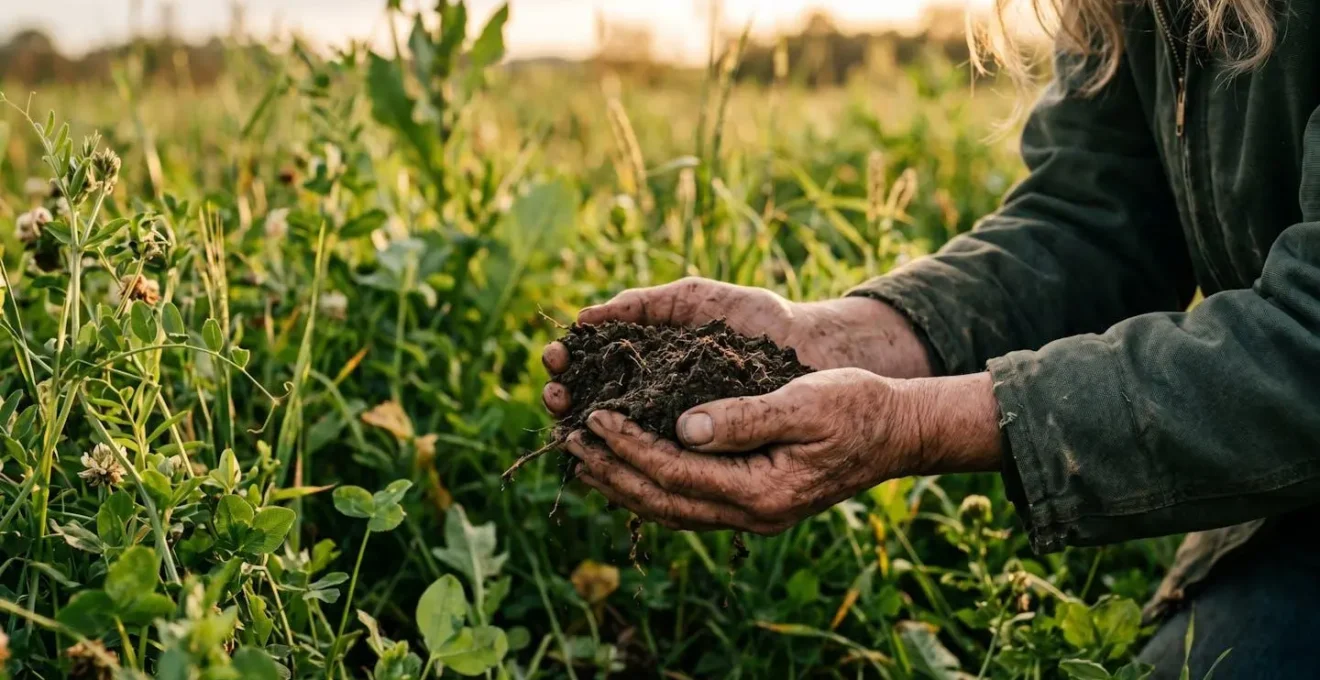
The time needed for recovery depends on the severity of the damage and the quality of the ley, but a diverse, well-managed temporary ley can make significant structural and biological improvements in a single season. Leaving it in place for a full growing year is ideal, but even a 3-4 month winter ley can stop the bleeding and initiate the healing process. The goal is to have living roots in the soil for as long as possible, constantly feeding the biology and rebuilding what the harvest took away.
How to Brewing Compost Tea to Wake Up Dormant Soil Biology?
If applying high-quality compost is a microbial transplant, then applying compost tea is like giving the soil a direct intravenous injection of life. Brewing compost tea is the process of extracting and multiplying the beneficial microorganisms from compost into a liquid solution. When sprayed on the field, it delivers a massive, diverse, and active population of bacteria, fungi, protozoa, and nematodes directly to the starved soil ecosystem. This is not a fertilizer; it’s a biological inoculant and stimulant designed to wake up dormant microbes and repopulate the devastated soil food web.
The power of this approach lies in its ability to be tailored to your specific recovery goals. By adjusting the food sources in the brewer, you can create either a bacterially-dominant or a fungally-dominant tea. After a harvest that has decimated fungal populations, a fungal-dominant brew is the priority. This is achieved by using food sources that fungi prefer, such as oat flour, fish hydrolysate, and humic acids, and brewing for a longer period (24-36 hours) with gentle aeration. This targeted approach ensures you are reintroducing the exact organisms your soil needs most.
The results can be rapid and dramatic. In fact, research on almond orchards found significantly greater microbial biomass and species diversity in regenerative systems using practices like compost application. For best results, apply compost tea during cool, overcast, or moist conditions. Applying it during the heat of a sunny day can kill the very microbes you’ve just spent 24 hours cultivating. The aim is to give them a safe and immediate pathway from the sprayer into the soil pores where they can get to work.
Using Gypsum: How to Flocculate Clay Particles to Improve Drainage?
In certain situations, particularly in heavy clay soils or those with high sodium levels, biological interventions alone may struggle to break through severe compaction and surface crusting. This is where a targeted chemical intervention can act as a powerful catalyst for physical repair. Gypsum (calcium sulfate) is a soil amendment that can provide this initial structural first aid. It works through a process called flocculation.
Clay particles are tiny and carry a negative charge, which causes them to repel each other and disperse in water, creating a dense, sticky mass. The calcium in gypsum is a divalent cation (Ca++), meaning it has two positive charges. When introduced into the soil, this calcium acts like a chemical bridge, linking multiple negatively charged clay particles together. This process of clumping is flocculation. These newly formed clumps (floccules) are larger and heavier, creating bigger pore spaces between them. The immediate result is improved water infiltration, better aeration, and a reduction in surface crusting.
Soils with very low aggregate stability, especially those high in sodium, may sometimes benefit from surface applications of gypsum (calcium sulfate). Aggregation is promoted by the added calcium and the effect of the greater salt concentration in the soil water as the gypsum dissolves.
– Building Soils for Better Crops, SARE Publication on Addressing Compaction
It is critical to understand that gypsum is a temporary fix, not a permanent solution. It addresses the chemical symptom but not the biological root cause of poor structure. Its effects will diminish without the concurrent addition of organic matter and the establishment of living roots. The ultimate goal is to have the biological glues produced by fungi and bacteria create long-term, water-stable aggregates. Gypsum’s role is to pry the door open, creating the physical conditions that allow the biological recovery to begin in otherwise impenetrable soil.
Key Takeaways
- A heavy root crop harvest is a traumatic event for soil, requiring an urgent, restorative response, not just slow repair.
- Recovery must be targeted: use simple carbons (molasses) for immediate bacterial energy and complex, woody compost to rebuild essential fungal networks.
- Physical repair is as crucial as biological repair. Use multi-species cover crop leys to break compaction and consider gypsum as a chemical first-aid for severely crusted clay soils.
How to Transition to a Living Pedosphere Model Without Risking Bankruptcy in Year One?
The principles of soil resuscitation are clear, but they can seem daunting and expensive. The fear of risking the farm’s bottom line on unproven techniques is the single biggest barrier to adoption. This is why a pragmatic, low-risk transition strategy is not just an option; it’s a requirement. The « bet the farm » approach is a recipe for disaster. A far wiser path is to adopt a 10% field trial model. This allows you to test, learn, and generate your own data while keeping the vast majority of your operation under the conventional system you know and trust.
This approach transforms your farm into a living laboratory. By comparing the 10% regenerative trial plot side-by-side with your 90% conventional control, you can gather hard data on input costs, labor, pest pressure, water use, and, most importantly, yield and profitability. This side-by-side comparison de-risks the entire process and provides the proof you need to scale up with confidence. The goal in year one is not to transform the entire farm, but to prove the concept on a manageable scale. In many cases, these regenerative practices can lead to greater profitability sooner than expected. A California study, for instance, revealed twice as high profit in regenerative orchards compared to conventional ones due to reduced input costs.
Your Action Plan: The Low-Risk 10% Field Trial
- Designate Your Zone: In Year 1, select 10% of a field as your regenerative trial plot. The remaining 90% will be your conventionally managed control for direct comparison.
- Implement One High-ROI Change: Start simple in the trial zone. Eliminate one tillage pass or replace one synthetic fertilizer application with a targeted compost tea brew.
- Generate an Economic Offset: Plant a multi-species cover crop in the trial zone that can be grazed or harvested for forage, creating an immediate secondary income stream to offset initial costs.
- Document Everything: Meticulously track all inputs, labor costs, fuel usage, and yields for both the trial and control plots. Your data is your most valuable asset.
- Scale Intelligently: In Year 2-3, if your data shows favorable economics, expand the proven regenerative practices to 25-50% of your acreage. Maintain a conservative pace to manage financial risk.
This incremental approach respects the economic realities of farming. It builds a bridge from a fragile, input-dependent system to a resilient, self-regulating living pedosphere, one profitable step at a time.
Start your soil’s recovery today. Begin by assessing your fields, selecting a 10% trial plot, and implementing one of these high-impact strategies. The journey to a more resilient and profitable farm begins with the first step.