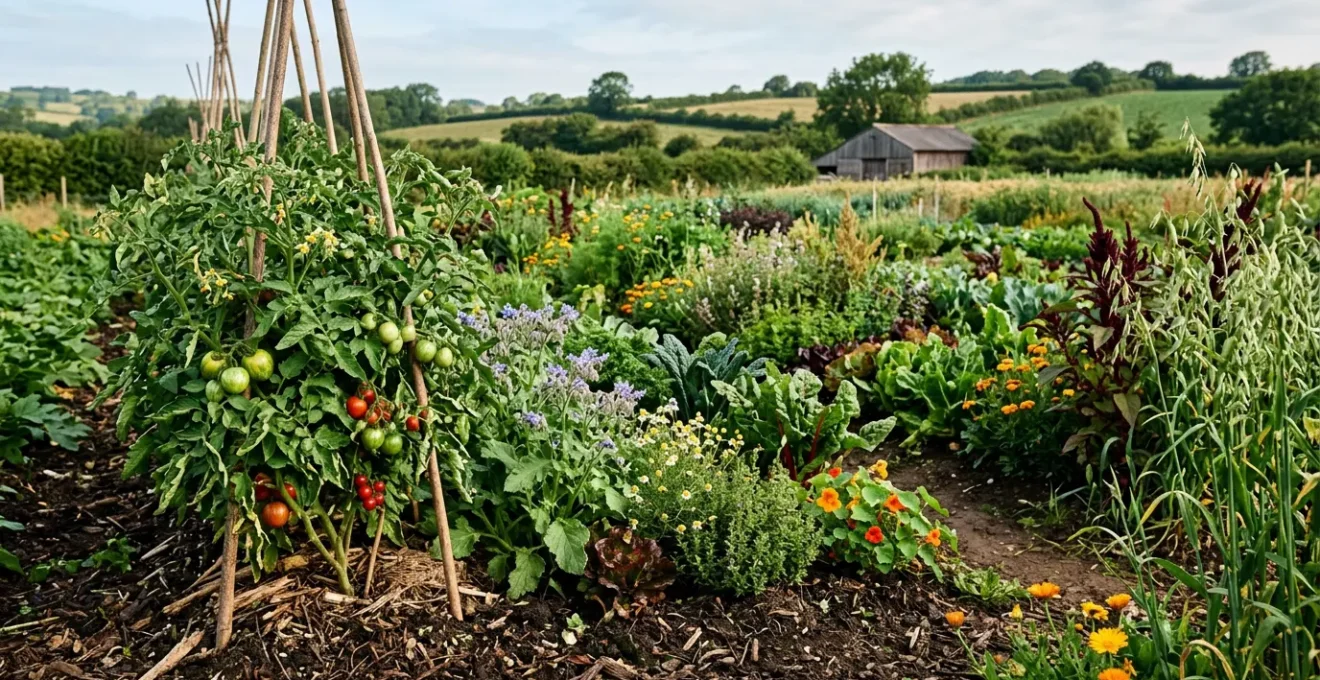
The greatest security for your farm lies not in the latest hybrid seed catalogue, but in the genetic history you curate in your own soil.
- Heirloom landraces possess diverse immune repertoires that offer systemic, « community-level » resistance to pathogens that easily overwhelm uniform monocultures.
- Cultivating and saving open-pollinated seeds breaks dependency on corporate supply chains, granting you true genetic sovereignty and long-term economic independence.
Recommendation: Begin building your on-farm seed bank not as a hobby, but as a core component of your risk management strategy, starting with varieties known for both market value and local resilience.
As a grower, your livelihood is tied to the resilience of your crops. Each season brings the threat of new blights, fungi, and viral strains that can decimate a harvest. The conventional answer has been a constant arms race: abandon last year’s vulnerable variety and buy the new, lab-developed F1 hybrid promising resistance. But this cycle creates a fragile dependency, leaving your farm exposed to supply chain disruptions and the inevitable moment a new pathogen breaks through the homogenous defenses of a monoculture.
This approach overlooks a more powerful, time-tested strategy. What if the key to future security wasn’t in buying the next engineered solution, but in stewarding a living, adaptable defense system on your own land? The preservation of heirloom varieties and landraces is far more than an act of nostalgia; it is a profound act of agricultural self-defense. It’s about cultivating a deep well of genetic diversity that serves as a living shield, evolving in partnership with your specific soil and climate to face threats we cannot yet predict.
This article will deconstruct the powerful mechanisms behind heirloom resilience. We will explore why diverse landraces naturally outperform monocultures in disease resistance, how to legally source and improve these genetic treasures, and why they represent the ultimate path to farm independence. We will move beyond theory to outline the practical steps for establishing your own on-farm seed bank, transforming your seed stock from an annual expense into your most valuable security asset.
This guide provides a comprehensive overview of how to leverage genetic heritage for a more resilient and sovereign farming operation. Explore the sections below to understand the science, the economics, and the practicalities of building your farm’s living insurance policy.
Summary: Why Heirloom Diversity Preservation Protects Your Farm Against New Disease Strains?
- Why Landraces Have Better Disease Resistance Than Monocultures?
- How to Find and Legally Grow UK Heritage Grain Varieties?
- Heirloom vs Modern: Which Tomato Varieties Do Chefs Actually Pay More For?
- The Isolation Mistake That Ruins Your Heirloom Seed Purity
- Selection Pressure: How to Breed Heirlooms Specifically for Your Soil?
- F1 Hybrid vs Open-Pollinated: Which Is Better for Farm Independence?
- Feeding the Village: How to Plan Planting for Year-Round Calorie Staples?
- Creating On-Farm Seed Banks: How to Save Open-Pollinated Seeds Legally?
Why Landraces Have Better Disease Resistance Than Monocultures?
The perceived strength of modern F1 hybrid monocultures—their absolute uniformity—is also their greatest vulnerability. When every plant in a field shares the exact same genetic code, they also share the exact same susceptibility to disease. As one research team noted, these crops are fundamentally unprepared for the reality of agricultural pathogens. As they state in Current Biology, « Modern crops consisting of genetically near-uniform host plants are ill-equipped to face the coevolutionary challenges posed by diverse, rapidly evolving pathogens with a trench-warfare model. » A single, successful pathogen can sweep through the entire crop like wildfire, as there is no genetic variation to slow it down.
Landraces, by contrast, are not single varieties but genetically diverse populations. They are the product of generations of selection within a specific environment, carrying a wide array of traits. This diversity creates a powerful, multi-layered defense system. While some individual plants might be susceptible to a particular disease strain, others will carry resistant genes, ensuring the survival of the population as a whole. This is not just about individual plant immunity; it’s about the resilience of the entire field ecosystem.
This phenomenon is increasingly understood as community-level immunity. It extends beyond the plants themselves to the very soil they inhabit. A 2016 study provided clear evidence for this, demonstrating that a greater diversity of plants recruits a more diverse microbiome of beneficial soil bacteria. This enriched microbiome actively suppresses pathogens by outcompeting them for resources. Essentially, the genetic diversity above ground cultivates a defensive shield of microbial diversity below ground, an advantage that sterile, uniform monocultures simply cannot replicate. The landrace isn’t just a collection of plants; it’s the conductor of a resilient, self-protecting ecosystem.
How to Find and Legally Grow UK Heritage Grain Varieties?
Reclaiming agricultural heritage begins with accessing the seeds. For many growers, especially those in regions with strict seed marketing laws, this can seem like a daunting legal maze. However, dedicated pathways exist to allow for the cultivation and preservation of these vital genetic resources. The United Kingdom provides a clear case study in how legislation can be navigated to support, rather than stifle, the use of heritage grains, offering a model that can inform growers in other nations.
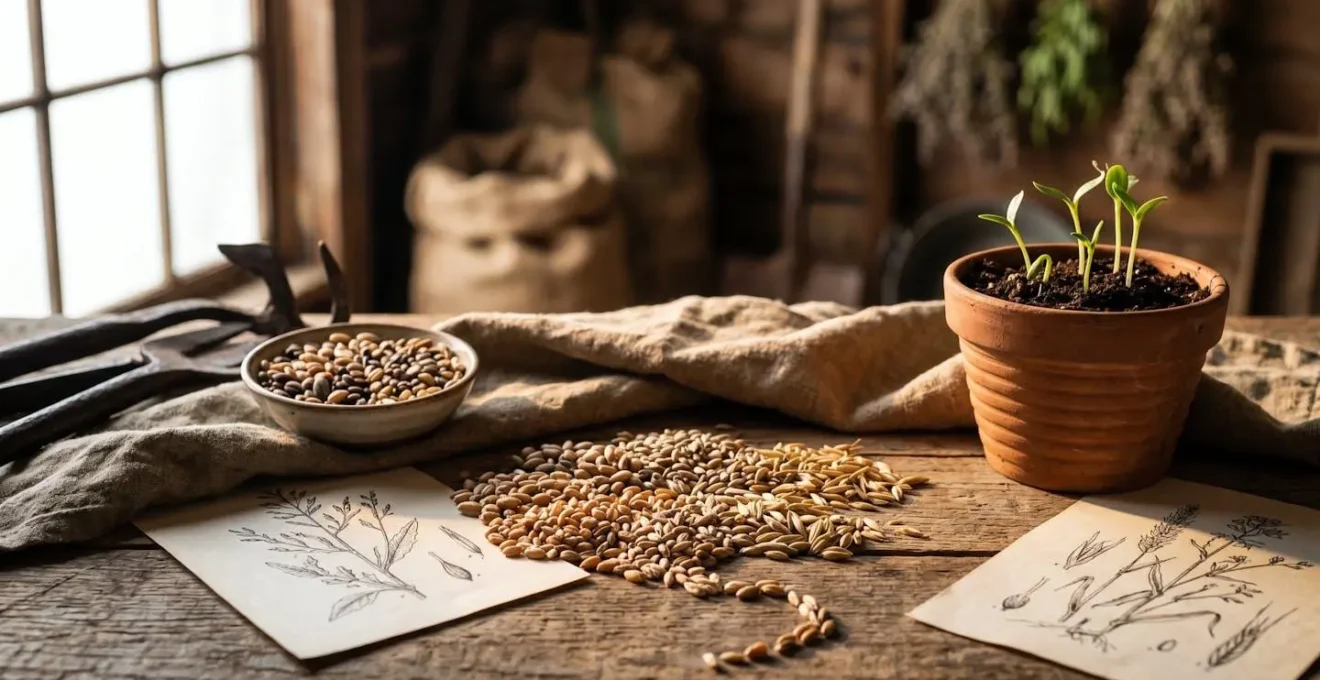
The key is to understand the specific designations that apply to these varieties. Terms like « conservation variety » are not just descriptive; they are legal classifications created to protect agricultural landraces from genetic erosion. These regulations often exempt such varieties from the stringent and costly testing required for commercial seeds, recognizing their value lies in their diversity, not their uniformity. For growers, this opens the door to legal cultivation on a small-scale, for purposes of research, or through community-based systems like seed libraries.
Your Action Plan: UK Legal Pathways for Heritage Grain Cultivation
- Identify ‘Conservation Varieties’: Check if your chosen variety is listed under regulations like the Seed (Conservation Varieties Amendments) Regulations 2009, which permit the marketing of landraces threatened by genetic erosion without standard tests.
- Leverage Small-Scale Exemptions: For unlisted heritage varieties, explore legal allowances for planting on a limited area (e.g., one hectare in some contexts) for educational or research purposes without needing National List registration.
- Join a Seed Library: Access seeds through membership-based organizations like the Heritage Seed Library. These operate legally by distributing seeds to members for conservation, sidestepping commercial sales regulations.
- Embrace Open Source Pledges: Use varieties protected under the Open Source Seed Initiative (OSSI). The OSSI Pledge ensures these seeds remain free from patents and can be legally saved, replanted, bred, and shared.
- Document and Publicize: Establish « prior art » by publicly documenting your cultivation of a specific heritage variety through blogs or open databases. This can help prevent future corporate patent claims on these community-stewarded genetic resources.
Heirloom vs Modern: Which Tomato Varieties Do Chefs Actually Pay More For?
While disease resistance is a matter of farm security, profitability is a matter of survival. A common misconception is that heirlooms are a trade-off: you gain resilience but sacrifice the marketability of uniform, shippable modern hybrids. The reality, for the discerning market gardener, is often the exact opposite. High-end chefs and educated consumers don’t pay a premium for uniformity; they pay for flavor, story, and distinction—the very hallmarks of heirloom varieties.
When you bite into something like an heirloom tomato, it’s clear that generations of farmers and gardeners saved those seeds for a reason: Many heirlooms are known for their intense or unique flavor.
– FoodPrint editorial team, Why Heirloom Seeds Matter
Modern hybrids are typically bred for yield, disease resistance *for large-scale transport*, and long shelf life. Flavor is often a secondary consideration. Heirlooms, conversely, were preserved for generations precisely because they excelled in taste. This gives the small-scale grower a significant market advantage. You are not competing with commodity agriculture on price; you are offering a premium, high-value product that cannot be replicated by industrial farms.
Varieties like the Cherokee Purple tomato are a perfect example of this dual advantage. It is renowned among chefs for its rich, complex, and smoky flavor profile, commanding a high price at market. Simultaneously, it is a robust variety, with documented resistance to common ailments like Fusarium Wilt and Bacterial Speck. This is the sweet spot for the market gardener: a product that is both agronomically sound and economically superior. By choosing heirlooms, you are not just planting a crop; you are cultivating a reputation for quality that builds a loyal customer base willing to pay for an authentic and superior culinary experience.
The Isolation Mistake That Ruins Your Heirloom Seed Purity
Embracing heirloom varieties is the first step. Becoming a steward of their genetic legacy is the next. The moment you decide to save your own seeds, you take on the responsibility of maintaining their purity. The single most common mistake that undermines this effort is failing to understand and manage pollination. An heirloom’s defining traits are passed down through « open-pollination, » a natural process involving insects, wind, or self-pollination. This is what allows them to remain « true to type » year after year.
However, this same process is what puts them at risk. If you grow two different open-pollinated varieties of squash (e.g., a zucchini and a pumpkin) too close together, they will cross-pollinate. The fruit you harvest that season will look normal, but the seeds inside will now carry a jumbled mix of genetic information. When you plant them the following year, you won’t get a zucchini or a pumpkin, but a strange, often inedible hybrid. You have inadvertently erased the unique genetic code you were trying to preserve.
This is why understanding isolation distances is non-negotiable for the serious seed saver. Each plant type has a minimum required distance it must be kept from other varieties of the same species to prevent cross-pollination. For heavy-fruiting, insect-pollinated plants like squash, this can be half a mile or more. For self-pollinating plants like tomatoes or beans, the distance is much smaller. As the UC Master Gardeners of Butte County note, this process is what « allows plants to slowly adapt to local growing conditions, » but it only works if the genetic line is kept pure. Protecting this purity is paramount, as the loss of genetic diversity is already a silent crisis; it is widely documented that from the early 20th century to the 1980s, we lost over 90% of our food seed varieties.
Selection Pressure: How to Breed Heirlooms Specifically for Your Soil?
True genetic sovereignty is not just about preserving the past; it’s about actively shaping the future of your farm’s seed stock. Saving seeds is a defensive act, but applying selection pressure is a creative one. It is the process by which you become a participant in the evolution of your crops, guiding them to become perfectly adapted to your unique microclimate, your soil, and your desired traits. This is the transition from being a seed *keeper* to a farmer-*breeder*.
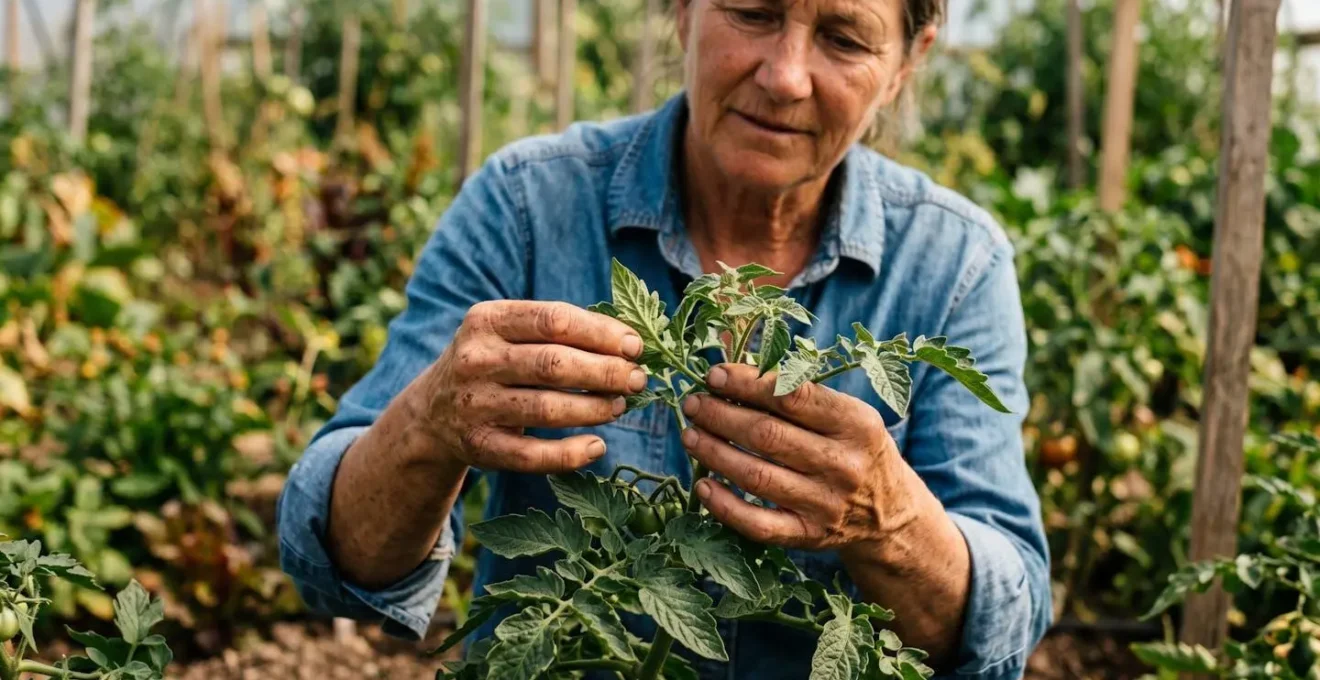
The process is an elegant, long-term conversation with your plants. Within the natural genetic variation of an heirloom population, you identify the individuals that perform best on *your* land. Perhaps it’s the tomato plant that set fruit earliest, the kale that best resisted the local flea beetle population, or the corn that stood tallest in a dry spell. By saving seeds *only* from these superior individuals, you are applying selection pressure. Over several generations, the entire population will begin to express these desirable traits more consistently. You are forging an evolutionary partnership with your plants, creating a landrace that is uniquely yours.
The genetic potential for this work is immense and largely untapped. A landmark 2024 study in *Nature* examining historic wheat landraces found that modern cultivars derive from only two of seven ancestral wheat groups. This reveals that five other groups, representing a vast reservoir of landrace-specific genes, remain an untapped resource for breeding programs. By working with landraces, you gain access to this deep well of diversity, allowing you to select for traits that corporate breeders, focused on uniformity for a global market, have long ignored. You can breed for flavor, for drought tolerance, for specific nutritional profiles—for whatever gives your farm a resilient and competitive edge.
F1 Hybrid vs Open-Pollinated: Which Is Better for Farm Independence?
The choice between F1 hybrid and open-pollinated (OP) seeds goes to the very heart of your farm’s autonomy. It is a decision that dictates not only your annual budget but your vulnerability to external forces and your ability to adapt to future challenges. While F1 hybrids offer the seductive promise of « hybrid vigor » and uniformity, this comes at the cost of your independence, locking you into a cycle of dependency.
F1 hybrid seeds are the first-generation offspring of two distinct and purposefully inbred parent lines. They are designed to be sterile or, if their seeds are saved, to produce highly variable and inferior offspring in the next generation. This is a built-in obsolescence that forces the grower to return to the seed company every single year. You are not buying a seed; you are licensing a piece of intellectual property for one-time use. Open-pollinated seeds, which include all heirlooms, are the foundation of genetic sovereignty. They can be saved, and when properly isolated, they will produce offspring true to the parent plant, freeing you from the annual expense and supply chain risk of purchasing new seed.
The following table breaks down the fundamental differences in the context of farm independence, demonstrating how the choice of seed directly impacts your operational security and long-term resilience.
| Factor | F1 Hybrid Seeds | Open-Pollinated Seeds |
|---|---|---|
| Seed Saving | Cannot be saved; seeds do not breed true to type and are often infertile or highly variable | Can be saved and will grow true to type when properly isolated |
| Annual Cost | Must purchase new seed every year from supplier | One-time purchase; subsequent seasons use saved seed |
| Supply Chain Risk | Dependent on seed company availability; vulnerable to disruptions | Independent; farm owns its seed stock |
| Genetic Sovereignty | Intellectual property owned by seed company; no breeding rights | Full breeding rights; can adapt and improve varieties |
| Local Adaptation | Fixed genetics; cannot adapt to farm-specific conditions | Can be selected over generations for local soil, climate, and conditions |
| Uniformity vs Diversity | Genetically uniform; entire crop vulnerable to same diseases/pests | Genetically diverse; provides resilience to changing conditions |
Farmers and gardeners who plant hybrid seed are dependent on the aseed producers. We want our gardeners and market farmers to be able to save their seeds and therefore ensure their own genetic and region-specific diversity.
– Sow True Seed, Open-Pollinated, Heirloom, Hybrid, GMO- A Terminology Guide
Feeding the Village: How to Plan Planting for Year-Round Calorie Staples?
A truly resilient farm is one that can sustain itself and its community, not just with niche, high-value crops, but with a reliable supply of staple calories. The principles of genetic diversity are most critical when applied to the foundational crops that form the bedrock of a food system: grains, potatoes, beans, and winter squash. An over-reliance on a single, uniform variety of a staple crop is a catastrophic risk, a lesson taught by history time and again.
The most infamous cautionary tale is the 1970 Southern Corn Leaf Blight epidemic in the United States. A single genetic trait, « Texas Male Sterile » (TMS), was used to simplify hybrid seed production. It was so effective and economical that, by 1970, a study on genetic diversity conservation documented that TMS hybrid maize covered more than 90% of the USA maize area. When a new strain of blight emerged that specifically targeted the TMS cytoplasm, the result was a nationwide agricultural disaster. The genetic uniformity of the nation’s primary calorie crop led to its near-total collapse. This event serves as a stark reminder that efficiency gained at the expense of diversity is a fragile victory.
Planning for year-round calorie staples requires thinking like a preservationist. Instead of planting one variety of potato, plant three or four with different maturation times and disease resistances. Grow multiple varieties of dry beans and corn—some for early harvest, some for long-term storage. This strategy, known as intraspecific diversity (diversity within a single species), creates a robust, layered food security system. If one variety fails due to a specific pest or an unusual weather event, others are likely to thrive. As researchers emphasize, « The diverse gene pool of plant species, such as wild species, landraces, breeding stock, etc., could hold the tools for survival and adaptation under adverse climatic conditions. » By stewarding a portfolio of staple heirlooms, you are ensuring your farm can truly feed the village, year after year.
Key Takeaways
- Diversity is Defense: Genetic diversity within landraces creates a « community-level immunity » that is inherently more resilient to evolving pathogens than uniform monocultures.
- Flavor is a Premium: Heirlooms offer unique, superior flavors that chefs and consumers value, allowing small-scale growers to compete on quality, not price.
- Sovereignty is Seed: Saving open-pollinated seeds breaks dependency on corporate supply chains, granting you true farm independence and the ability to adapt crops to your specific land.
Creating On-Farm Seed Banks: How to Save Open-Pollinated Seeds Legally?
The logical conclusion of this journey towards resilience is the creation of your own on-farm seed bank. This is the physical manifestation of your genetic sovereignty—a carefully curated, living archive of the varieties that are best adapted to your land and your market. It is your farm’s insurance policy, its historical record, and its legacy. Creating one is not complex, but it does require diligence and an understanding of the fundamental principles of seed longevity.
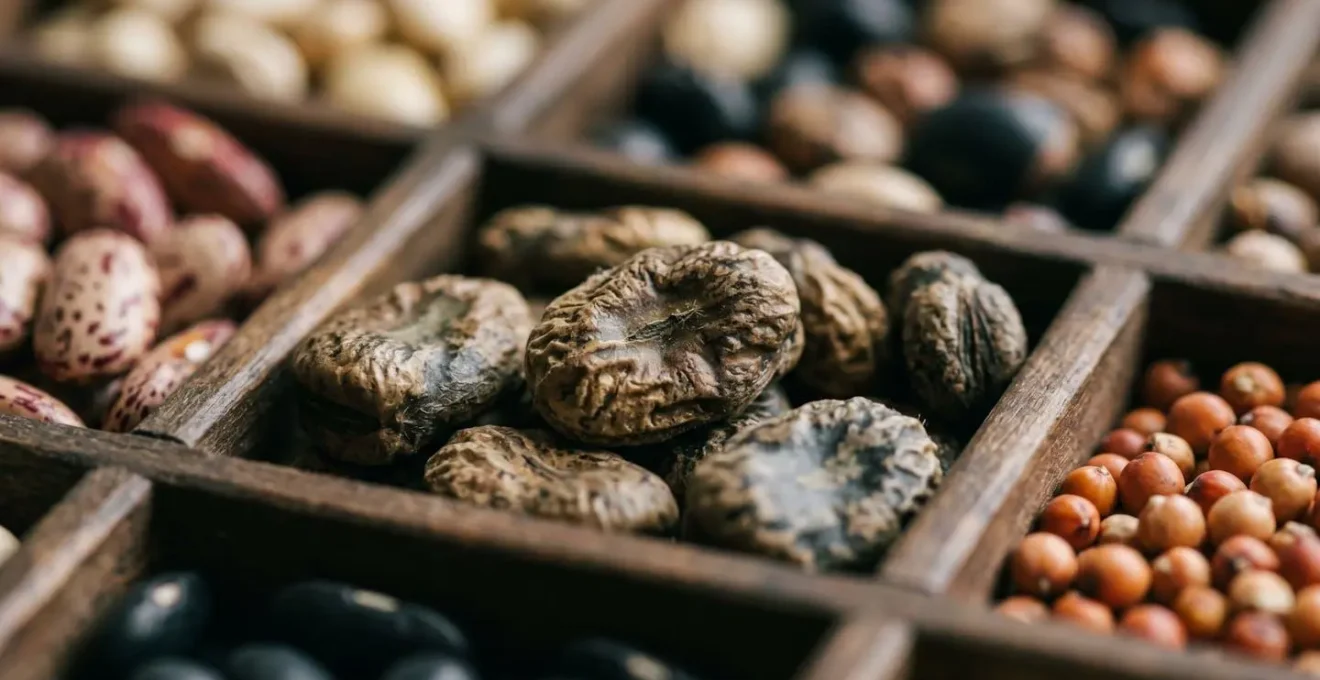
The primary enemies of seed viability are heat and moisture. Your goal as a seed banker is to keep your seeds cool and dry. After ensuring seeds are fully mature and properly dried (they should snap, not bend), they should be stored in airtight containers. Glass jars, metal tins, or mylar bags are all excellent options. Label every container meticulously with the variety name, species, and the year of harvest. Store these containers in the most stable, cool, and dark place you have—a root cellar, an unheated closet, or even a dedicated freezer for long-term preservation.
Legally, saving seeds from open-pollinated and heirloom varieties for your own use is a foundational right for any grower. The legal complexities primarily arise around the *sale* of seeds, as discussed with the UK grain example, or with patented F1 hybrids and GMOs, which you do not have the right to save. By focusing on public domain heirloom and open-pollinated varieties, and potentially engaging with frameworks like the Open Source Seed Initiative, you can build your seed bank with full confidence. This bank is more than a collection; it is a strategic asset that guarantees you have access to the crops that work for you, regardless of what happens in the global seed market.
Begin today. Select one or two of your best-performing open-pollinated varieties this season and commit to saving their seeds. This small act is the first step in building a truly sovereign and resilient farm for the generations to come.