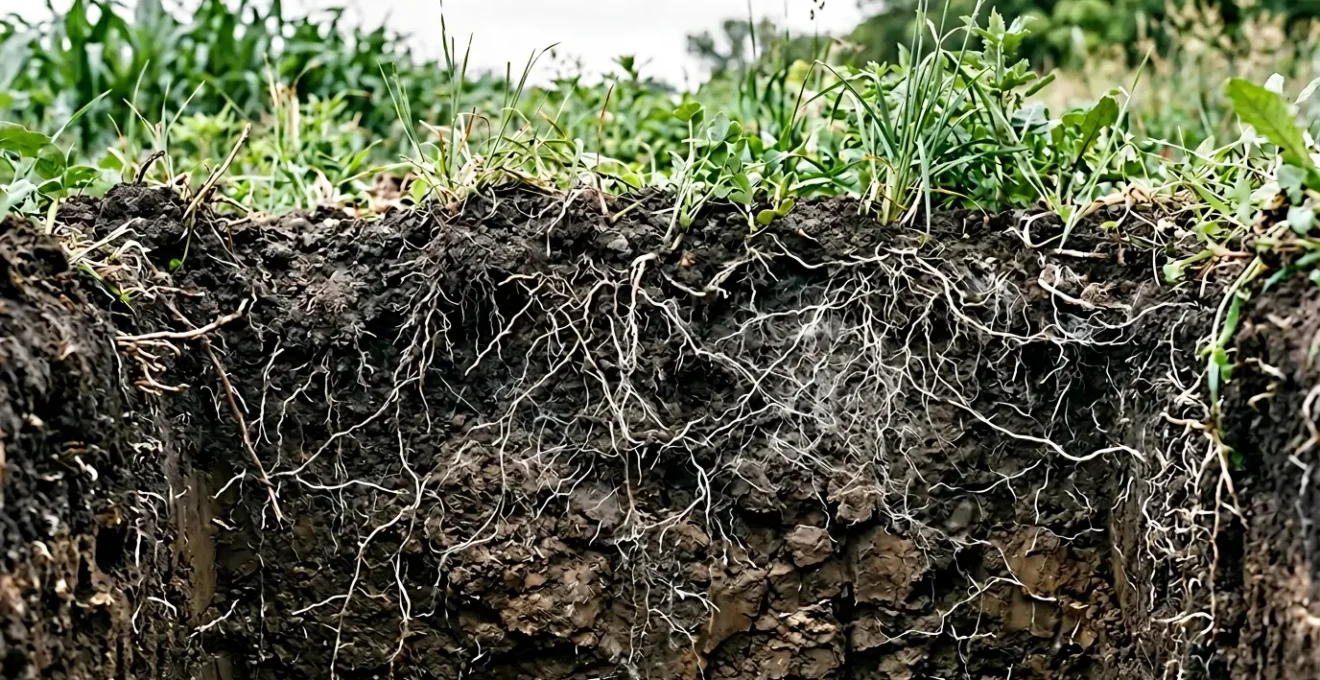
The key to reducing fertilizer bills isn’t just in the bag; it’s a living, microscopic infrastructure beneath your feet that can be engineered for profit.
- Preserving and building your soil’s native fungal network is more cost-effective than repeatedly buying inoculants.
- Specific agronomic choices—from crop rotation and cover crops to drill opener types and fungicide selection—directly impact this microbial workforce.
Recommendation: Shift focus from ‘feeding the crop’ to ‘investing in the soil’s biological machinery’ to build a resilient, low-input farming system.
For arable farmers, the relentless rise in fertilizer prices presents a macroeconomic crisis. Every tonne of phosphate or nitrogen applied is a direct hit to the bottom line. The conventional response is to seek application efficiency, but this only optimizes an expensive input. The real opportunity lies in a paradigm shift: transforming your soil into a self-sufficient nutrient engine. This isn’t about a vague notion of ‘soil health’; it’s about understanding and manipulating the microscopic machinery of fungi and bacteria to perform high-value economic work.
While the market is flooded with « magic fungi » products, the most powerful and cost-effective resource is the native population of arbuscular mycorrhizal fungi (AMF) already in your fields. These organisms are not just passive helpers; they are masters of nutrient arbitrage, trading plant-derived carbon for soil-bound phosphorus that plant roots cannot access alone. However, this natural asset is fragile. Common agricultural practices can shatter this delicate underground infrastructure, forcing a costly dependency on synthetic inputs.
This guide moves beyond the platitudes. We will dissect the precise, practical levers you can pull to protect, cultivate, and leverage your soil’s microbial workforce. We will explore why certain crops act as a ‘firewall’ to fungal networks, how specific drilling techniques can preserve your soil’s living architecture, and which chemical inputs amount to a declaration of war on your most valuable microscopic allies. By understanding these mechanisms, you can begin to systematically replace bagged fertilizer with a resilient, farm-grown biological system.
The following sections provide a detailed roadmap for integrating this microscopic world into your macroscopic farm management, turning soil biology from a line item into a core profit centre.
Summary: A Farmer’s Blueprint for Mycorrhizal Management
- Why Brassicas Don’t Host Mycorrhizae and What That Means for Rotation?
- How to Direct Drill to Maintain Hyphal Networks Intact?
- Seed Coating vs Granular Application: Which Mycorrhizal Product Works?
- The Fungicide Effect: Which Sprays Kill Your Soil Fungi Instantly?
- Selecting Hosts: How to Use Oats and Vetch to Build Fungi Over Winter?
- Why Disrupted Nitrogen Cycles Cost UK Farmers £150 per Hectare Annually?
- Why Rhizobia Bacteria Need Molybdenum to Fix Nitrogen Efficiently?
- How to Fix Atmospheric Nitrogen to Replace Bag Fertilizer on Arable Farms?
Why Brassicas Don’t Host Mycorrhizae and What That Means for Rotation?
One of the most significant and often overlooked factors in managing your soil’s fungal network is crop rotation. Not all plants are created equal in the world of symbiosis. The entire Brassicaceae family—which includes crucial cash crops like oilseed rape and cover crops like mustard—is non-mycorrhizal. This means they do not form the beneficial partnership with arbuscular mycorrhizal fungi (AMF) that is essential for phosphorus uptake in most other crops.
The reason for this is biochemical. Brassicas produce a class of sulphur-containing defensive compounds called glucosinolates. These compounds, responsible for the sharp flavour in mustard and horseradish, act as a powerful bio-fumigant in the root zone, creating a hostile environment for many soil microbes, including AMF. While the plant benefits from reduced pathogenic pressure, it effectively severs the communication lines and physical connections of the underground hyphal network.
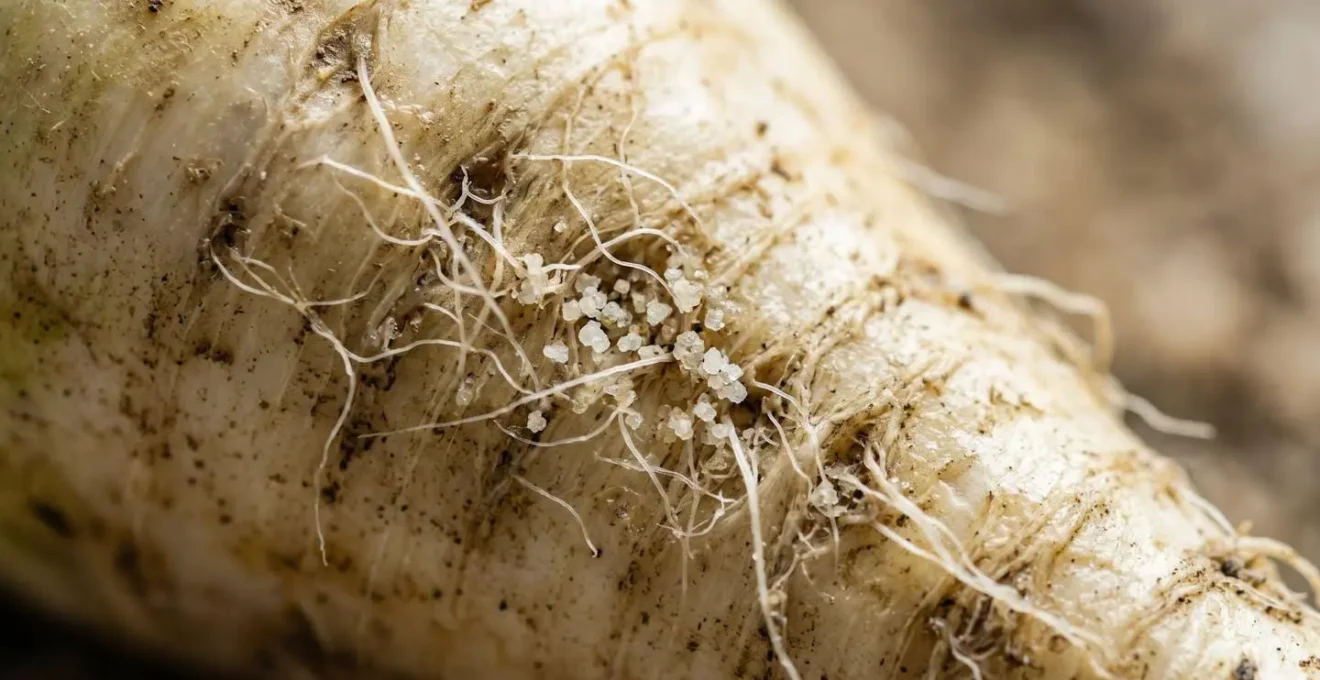
Case Study: Brassicaceae as « Neutral » Disruptors
A recent study highlights the precise nature of this interaction. Researchers cultivated five Brassicaceae species in soil containing active mycorrhizal fungi. While neighbouring ‘nurse’ plants (lettuce) were quickly colonized, no mycorrhizal structures were ever observed on the brassica roots. Crucially, the study concluded that brassicas act as « neutral non-hosts. » They don’t actively destroy the fungal network, but they offer no food (carbon) and no home, effectively creating a ‘fallow period’ for the fungi. According to the March 2026 study in the journal *Plants*, this means co-planting did not harm neighbouring symbiotic relationships, but a monoculture of brassicas starves the network, reducing the inoculum potential for the following crop.
For an arable farmer, this has direct macroeconomic implications. Planting a brassica means the ‘bridge’ that carries phosphorus to your next cereal or legume crop is broken. The AMF population declines, and the following crop must either expend more energy re-establishing the network or rely more heavily on readily available—and expensive—synthetic phosphate fertilizer. Therefore, planning rotations requires viewing brassicas as a strategic ‘reset’ button for the fungal network, a fallow period that must be compensated for with subsequent host-friendly cover crops.
How to Direct Drill to Maintain Hyphal Networks Intact?
If crop rotation determines the food supply for your mycorrhizal network, tillage determines the survival of its physical infrastructure. A field’s soil is threaded with a vast, intricate network of fungal hyphae—a living web that connects roots to nutrients. Conventional tillage, particularly ploughing and deep cultivation, is a cataclysmic event for this network. It shatters the hyphae, destroys soil structure, and oxidizes organic matter, effectively demolishing the very ‘circulatory system’ you need for nutrient transport.
Direct drilling or no-till farming is the engineering solution to this biological problem. By minimizing soil disturbance, you preserve the hyphal network from one season to the next. This intact infrastructure provides an immediate advantage to the newly sown crop, allowing it to plug into a pre-existing nutrient superhighway rather than building one from scratch. The evidence for this is clear; an 11-year Canadian study found that hyphal density was significantly lower in conventionally tilled plots compared to reduced-till or no-till systems. The less you disturb the soil, the more of this valuable biological capital you retain.
However, « direct drilling » is not a monolithic concept. The choice of opener on your drill has a profound impact on the level of soil disturbance at the seed slot. The goal is to achieve excellent seed-to-soil contact while leaving the surrounding inter-row soil and its hyphal network as undisturbed as possible. Moving from high-disturbance tine drills to low-disturbance disc drills is the first step in this mechanical refinement.
Your Action Plan: Optimizing Your Drill for Hyphal Preservation
- Assess Your Opener Type: Evaluate your current drill. Are you using high-disturbance tines? Consider upgrading to options like offset double-disk openers, which use a leading coulter to cut residue and an angled disk to create a narrow seed furrow with minimal soil throw.
- Perfect Your Depth Control: In no-till conditions, precise depth is critical. Ensure your drill’s gauge wheels or control bands are correctly set. Planting too deep (often over 1 inch) can lead to stand failure and wastes the energy of the seedling, which could be used to form symbiotic connections.
- Manage Your Weight: Proper drill weight is a balancing act. You need enough weight for the coulters to cut through surface residue and for openers to penetrate firm ground. However, excessive weight leads to compaction, which damages soil structure and restricts root and hyphal growth. Adjust ballast according to field conditions.
- Avoid Aggressive Root Cutting: Some openers, like certain « boot openers, » have horizontal wings designed to cut existing roots and loosen a wider band of soil. While useful in some forage situations, for preserving an existing hyphal network, opt for openers that create the narrowest possible seed slot.
- Prioritize Residue Management: A successful no-till system starts at the combine. Ensure you have an even spread of chopped straw. Clumps of residue can hairpin in the seed slot, leading to poor seed placement and hindering the new roots’ access to the soil’s microbial network.
Seed Coating vs Granular Application: Which Mycorrhizal Product Works?
In situations where the native fungal population has been severely depleted—perhaps after years of intensive tillage or a rotation heavy in non-mycorrhizal brassicas—introducing an inoculant can be a strategic intervention. However, the market is awash with products, and their efficacy is highly dependent on one critical factor: getting the dormant spore into direct contact with a living, growing root. A spore that is stranded just a few millimetres away from a root hair is a wasted investment. This makes the application method as important as the product itself.
The two primary methods are seed coating and granular application in the furrow. Seed coating seems intuitive; the spore is physically attached to the seed, ensuring it is right there when the radicle emerges. Granular products are drilled with the seed, creating a ‘cloud’ of inoculum in the seed zone. So, which is better? The science suggests that when done correctly, both can be effective, and the choice may come down to logistics and cost.
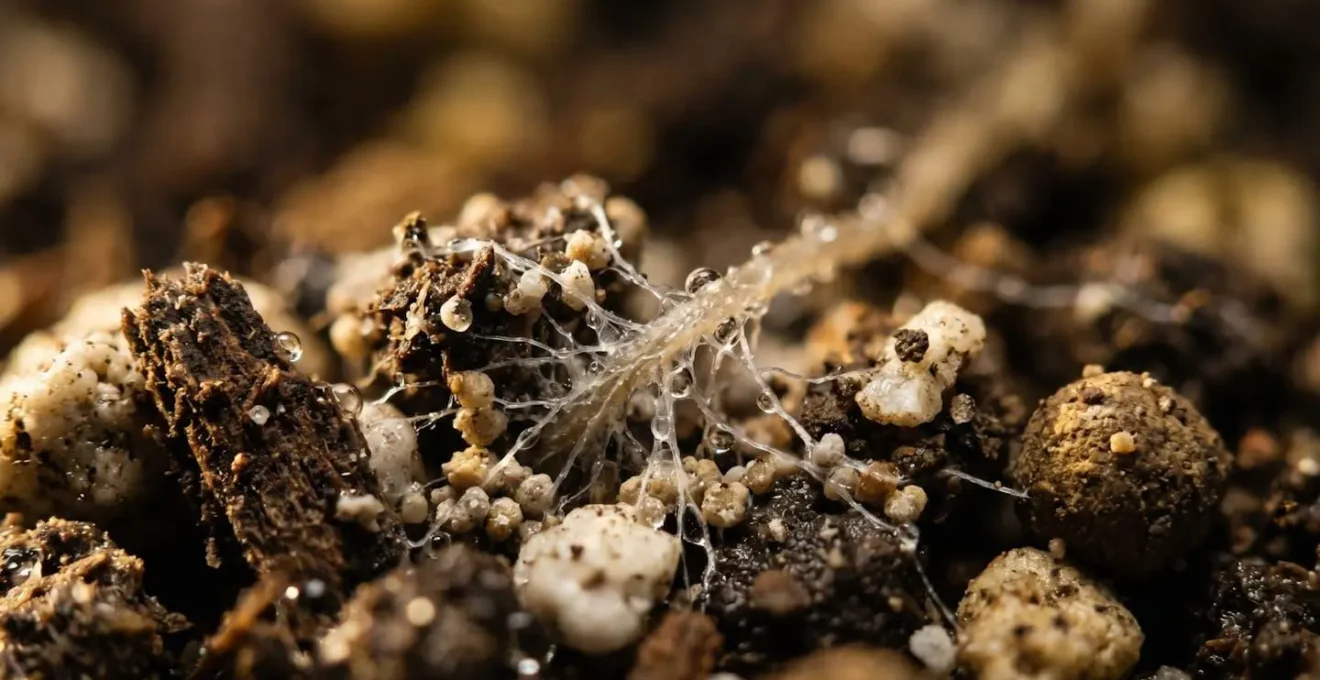
For a spore to germinate, it needs a chemical signal from a living root. This « activation zone » is incredibly small. The key is proximity. Indeed, a 2016 study on wheat demonstrated that there were no significant differences in root colonization between seed-applied inoculants and those applied directly to the soil, as long as the soil-applied inoculant was placed correctly in the furrow. The takeaway is that placement is paramount. A granular product broadcast on the surface is useless. It must be delivered precisely with the seed.
There is also a biological « law of diminishing returns. » In soils that already have a healthy, diverse population of native AMF, adding a commercial inoculant (which often contains only one or a few species) may provide little to no benefit. The native fungi can outcompete the introduced ones. In some cases, as seen in studies on maize, adding high rates of inoculant to high-phosphorus soil can even have a slightly negative effect, as the plant expends energy to support a symbiosis it doesn’t need. Therefore, inoculation should be seen as a targeted remedial action for depleted soils, not a routine annual application.
The Fungicide Effect: Which Sprays Kill Your Soil Fungi Instantly?
While physical disturbance from tillage shatters the hyphal network, chemical inputs can poison it. It is a profound irony of modern agriculture that we often apply fungicides to protect the plant canopy while simultaneously killing the beneficial fungi at the root that are critical for nutrient uptake and overall plant health. Not all fungicides are equal in their impact, but some classes of chemistry are particularly detrimental to arbuscular mycorrhizal fungi (AMF).
Understanding the mode of action is key. Many fungicides are designed to disrupt fungal cell membranes or inhibit critical metabolic pathways. Because the basic biology of a pathogenic fungus (like *Septoria*) and a symbiotic fungus (like *Rhizophagus*) is similar, these chemicals are often not selective. They are broad-spectrum biocides. The impact can vary based on the chemical, the application rate, the soil type, and the existing resilience of the microbial community, but consistent use of certain fungicides will inevitably degrade your soil’s mycorrhizal potential.
Seed treatments are the first point of contact. The seed is coated in a concentrated dose of fungicide precisely where the emerging root will seek to form its first symbiotic connections. This creates a « zone of death » around the seedling, delaying or preventing mycorrhizal colonization at the most critical stage of the plant’s life.
Case Study: The Persistent Impact of Fludioxonil
A recent study provides a stark warning for common seed treatments. The 2025 study on winter wheat published in *Mycorrhiza* investigated six conventional seed treatments. It found that those containing fludioxonil, a widely used phenylpyrrole fungicide, caused persistent suppression of AMF root colonization in greenhouse conditions. The negative effect was still measurable five weeks after sowing. Interestingly, the study noted that in field conditions, the impact was lessened, suggesting that a highly diverse and abundant native AMF population can provide a buffering effect. This underscores the importance of building a resilient native community as a defense against the unavoidable impacts of some chemical inputs.
The macroeconomic implication is clear: routine, prophylactic use of broad-spectrum fungicides, especially as seed treatments, can be a false economy. You may be saving the plant from a foliar disease but are simultaneously forcing it into a greater dependency on synthetic fertilizers by crippling its natural nutrient acquisition system. An audit of your fungicide program from a soil-biology perspective is essential. Are you using the most targeted chemistry possible? Are you applying it only when disease pressure thresholds are met? Every spray decision is also a soil health decision.
Selecting Hosts: How to Use Oats and Vetch to Build Fungi Over Winter?
Managing mycorrhizal networks isn’t just about avoiding harm; it’s also about proactive cultivation. The period between cash crops, particularly the autumn and winter months, is a critical opportunity to feed, build, and expand your soil’s hyphal infrastructure. The key is to plant a « fungal bridge »—a cover crop that is an excellent host for arbuscular mycorrhizal fungi (AMF), ensuring the network remains alive and thriving, ready for the next spring-sown crop. Without a living root to partner with, the AMF network will go dormant and decline.
The choice of cover crop species is therefore a strategic decision in « hyphal economics. » As we’ve seen, brassicas like mustard or tillage radish are non-hosts and will break the bridge. The ideal choices are plants that are aggressive rooters and highly receptive to AMF colonization. Two of the best candidates for this role are oats and vetch.
Oats (*Avena sativa*) are a superb choice. Their fibrous root system explores a large volume of soil, providing an extensive habitat for AMF. They are strong hosts and continue to grow at lower temperatures, providing a source of carbon to their fungal partners well into the autumn. Vetch (*Vicia* species), a legume, offers a double benefit. It is also a strong mycorrhizal host, feeding the fungal network. In addition, its roots form nodules with rhizobia bacteria, actively fixing atmospheric nitrogen. This creates a powerful synergy: the AMF network provides the vetch with phosphorus, which is essential for the energy-intensive process of nitrogen fixation. The result is a system that is simultaneously building your P-mobilizing fungal network and your N-fixing bacterial workforce.
A simple mix of oats and vetch planted after harvest can dramatically increase the mycorrhizal inoculum potential for the following spring. By keeping living roots in the ground, you are actively investing in the biological capital of your soil. This living, expanding network acts as a vast extension of the subsequent cash crop’s root system, massively increasing its ability to explore the soil for nutrients and water. This is not a trivial effect; a well-established mycorrhizal colonization can expand a plant’s effective root surface area by more than 100 times.
Why Disrupted Nitrogen Cycles Cost UK Farmers £150 per Hectare Annually?
The principles of managing mycorrhizal fungi for phosphorus have a direct and costly parallel in the nitrogen cycle. When a farm’s soil biology is degraded, its natural ability to capture and cycle nitrogen is lost. This forces a complete reliance on synthetic nitrogen fertilizer—an input whose price is volatile and whose application efficiency is notoriously poor. The figure of £150 per hectare is not arbitrary; it represents the approximate annual cost of replacing a functioning biological nitrogen cycle with bagged fertilizer on a typical UK arable farm, considering both the direct cost of the product and the indirect costs of application and environmental losses.
A healthy soil ecosystem manages nitrogen through two primary pathways. First, the decomposition of organic matter (crop residues, cover crops, manures) by a diverse microbial community mineralizes nitrogen, converting it from a stable organic form into plant-available ammonium and nitrate. Tillage and a lack of organic inputs disrupt this process, leading to a « leaky » system where nitrogen is lost to the atmosphere or leaches into waterways before the crop can use it.
Second, and most powerfully, is biological nitrogen fixation (BNF). This is the process where certain bacteria, most notably *Rhizobia* living in the root nodules of legumes (like clover, vetch, or beans), convert inert nitrogen gas (N2) from the atmosphere into ammonia, a form the plant can use. This is, in effect, a free fertilizer factory operating directly in your soil. When soil is compacted, when legume diversity is absent from the rotation, or when the specific micronutrients needed for this process are lacking, this factory shuts down. The full cost of N provision is then shifted from a free, biological process to an expensive, industrial one.
Mycorrhizal fungi play a crucial supporting role here. While they do not fix nitrogen themselves, they are essential for supplying the host legume with the large amounts of phosphorus and other nutrients required to fuel the energy-intensive BNF process. A plant starved of phosphorus cannot adequately support its rhizobial partners. Therefore, a disrupted mycorrhizal network indirectly leads to a disrupted nitrogen cycle, compounding the farm’s dependency on synthetic inputs for both major nutrients.
Why Rhizobia Bacteria Need Molybdenum to Fix Nitrogen Efficiently?
To truly harness the power of biological nitrogen fixation (BNF) and reduce the reliance on synthetic fertilizers, we must look deeper into the microscopic machinery of the process. It’s not enough to simply plant a legume; we must ensure its rhizobial partners have all the components they need to operate their nitrogen factory. One of the most critical, and frequently overlooked, of these components is the trace element molybdenum (Mo).
The conversion of atmospheric nitrogen gas (N2) into plant-usable ammonia (NH3) is an incredibly difficult chemical reaction. The triple bond holding the two nitrogen atoms together is one of the strongest in nature. To break it, rhizobia bacteria employ a special enzyme called nitrogenase. This enzyme is the biochemical engine of nitrogen fixation, and molybdenum is a key structural component at its very core. The active site of the most common form of this enzyme is a complex metal cluster known as the Iron-Molybdenum cofactor (FeMoco).
Without sufficient molybdenum, the bacteria cannot synthesize a functional nitrogenase enzyme. The entire nitrogen-fixing factory grinds to a halt. The plant may still form nodules on its roots, but these nodules will be ineffective, pale, and small, fixing little to no nitrogen. The legume will be forced to scavenge for nitrogen from the soil just like a non-legume, and the primary benefit of planting it is lost. This is particularly a problem in acidic soils (pH below 6.0), where molybdenum becomes « locked up » and unavailable for plant uptake, even if it is physically present in the soil.
This highlights the interconnectedness of soil chemistry and soil biology. A simple pH imbalance can shut down a multi-million-pound biological process (on a national scale). Correcting soil pH with lime is often the most effective way to improve molybdenum availability. In cases of severe deficiency, a foliar application of molybdenum to the legume crop can be a highly effective, low-cost intervention that « switches on » the nitrogenase engines and pays for itself many times over in free, fixed nitrogen. It is a perfect example of a microscopic intervention with a macroeconomic impact.
Key Takeaways
- Your soil’s fungal network is a valuable economic asset; conventional tillage physically destroys it, while non-mycorrhizal crops like brassicas starve it.
- Protecting this infrastructure through low-disturbance direct drilling and feeding it with host cover crops (oats, vetch) is more effective than relying on inoculants alone.
- Fungicide selection and nitrogen management are not separate from phosphorus strategy; biocides can kill beneficial fungi, while healthy mycorrhizae are needed to fuel nitrogen-fixing bacteria.
How to Fix Atmospheric Nitrogen to Replace Bag Fertilizer on Arable Farms?
The ultimate goal for a resilient and profitable arable system is to achieve a state of nutrient autonomy, where the farm’s own biological cycles provide the majority of the crop’s nutritional needs. This involves moving from a model of dependency on imported, synthetic fertilizers to one of cultivating an in-house, microscopic workforce. The replacement of bagged nitrogen fertilizer with atmospherically fixed nitrogen is the cornerstone of this strategy. It is not a single action but the culmination of managing the entire soil ecosystem as a coherent whole.
The process starts by creating the right habitat. This means halting the destructive practices of intensive tillage and building soil organic matter, which provides food and shelter for the entire soil food web. It means designing rotations that always include a « biological bridge » of living roots, ensuring that mycorrhizal fungi and other beneficial microbes are sustained year-round. It involves the strategic integration of legumes—as cash crops or, more powerfully, within diverse cover crop mixes—to serve as hosts for the nitrogen-fixing rhizobia bacteria.
Next, it requires fine-tuning the system’s chemistry. As we’ve seen, ensuring the correct soil pH and the availability of critical micronutrients like molybdenum is non-negotiable for an efficient nitrogenase engine. This requires a shift from blanket N-P-K thinking to a more nuanced approach of diagnostic soil and tissue testing to identify and correct the specific limiting factors in your unique environment. By systematically addressing these biological and chemical constraints, you are not just growing a crop; you are engineering a self-perpetuating nutrient cycle.
Mycorrhizal symbiosis can enhance plant growth and therefore reduce the need for Phosphate-based fertilizers.
– Roy-Bolduc A, Hijri M, in The Use of Mycorrhizae to Enhance Phosphorus Uptake
Ultimately, fixing atmospheric nitrogen is the payoff for holistic soil management. The mycorrhizal network, nurtured and protected, delivers the phosphorus that fuels the rhizobial nitrogen factories. The improved soil structure enhances water infiltration and root exploration. This integrated system is more resilient to drought, less prone to nutrient loss, and fundamentally more profitable. It transforms the farm from a passive consumer of industrial products into an active manager of ecological processes.
Begin today by auditing your own system. Evaluate your rotation, your tillage methods, and your chemical inputs through the lens of their impact on this vital, invisible workforce. The path to reducing your fertilizer bill begins not at the supplier’s gate, but in the soil under your feet.